Electric Bikes vs Traditional Bikes for London Commuting: Which One Is Right for You?
London is one of the world’s most cycle-friendly cities. With an ever-growing network of cycle lanes, quieter neighbourhood streets, and increasing awareness of sustainable travel, more people are choosing bicycles for their daily commute. Cycling offers a practical way to avoid traffic, reduce travel costs, and stay active, whether you’re heading to work, university, or meeting friends across the city.
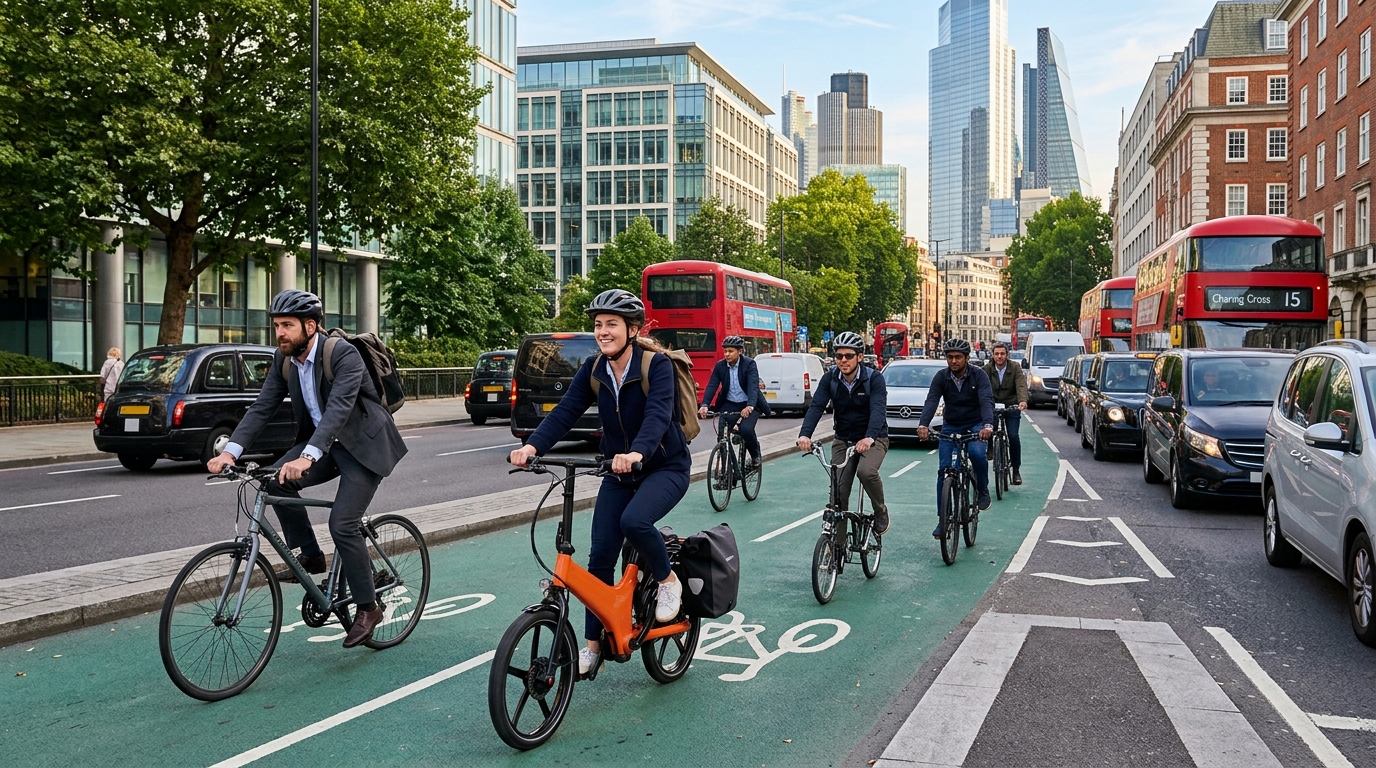
One question many commuters ask before buying a new bike is whether an electric bike or a traditional bicycle is the better option. Both have their advantages, and the right choice depends on your lifestyle, daily routine, budget, and personal preferences.
If you’re trying to decide between an electric bike and a traditional bike for commuting in London, this guide will help you understand the key differences so you can make the right decision.
Why Cycling Has Become So Popular in London
Over the past few years, cycling has become an important part of everyday life in London. Dedicated cycle lanes, improved cycling infrastructure, and the growing cost of public transport have encouraged more people to travel by bike.
Unlike sitting in traffic or waiting for delayed trains, cycling gives commuters greater control over their journey. Many riders also appreciate the health benefits, fresh air, and flexibility that cycling offers.
Whether you choose an electric bike or a traditional bicycle, both provide an environmentally friendly alternative to driving.
What Is an Electric Bike?
An electric bike, often called an e-bike, looks similar to a standard bicycle but includes an electric motor and a rechargeable battery.
The motor only provides assistance when you pedal, making hills feel easier and reducing the effort needed during longer journeys. In the UK, most road-legal electric bikes provide pedal assistance up to 15.5 mph (25 km/h).
Although the motor helps with pedalling, you are still cycling and getting exercise.
What Is a Traditional Bike?
A traditional bicycle relies entirely on your own pedalling power.
There is no battery or motor involved, making it lighter, simpler, and generally more affordable. Traditional bikes come in many styles, including hybrid bikes, road bikes, mountain bikes, and folding bikes, allowing riders to choose one that best suits their daily commute.
Many London commuters continue to prefer traditional bikes because they are reliable, low-maintenance, and enjoyable to ride.
Ease of Riding
One of the biggest advantages of an electric bike is how easy it makes cycling.
If your journey includes steep hills, long distances, or frequent stops at traffic lights, the electric motor reduces physical effort and helps maintain a comfortable pace.
Traditional bikes require more energy, particularly when riding uphill or against strong winds. While this provides an excellent workout, it can leave some commuters arriving at work feeling tired.
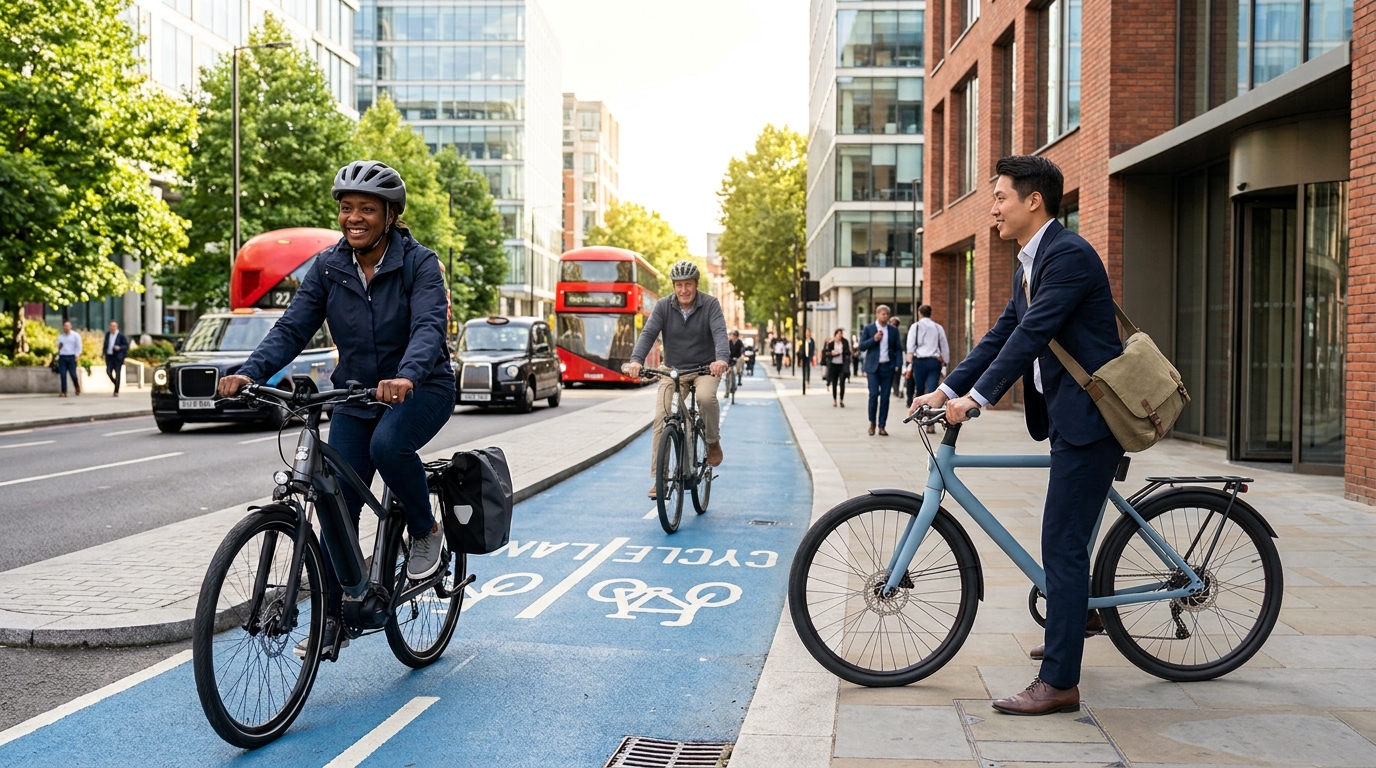
For those looking for a more relaxed journey, electric bikes have a clear advantage.
Fitness Benefits
Many people assume riding an electric bike isn’t real exercise, but that’s far from the truth.
Because you still need to pedal, e-bikes provide cardiovascular exercise while reducing strain on your joints and muscles.
Traditional bicycles generally offer a more intense workout because every metre travelled depends entirely on your own effort.
If improving fitness is your main goal, a traditional bike may suit you better. However, an electric bike still encourages regular physical activity and may inspire people to cycle more often.
Commuting Speed
London traffic can be unpredictable, especially during rush hour.
Electric bikes help riders accelerate more quickly from traffic lights and maintain a steady pace across longer distances. This often results in more consistent journey times.
Traditional bicycles can be just as fast on shorter routes, particularly in areas with heavy traffic where average vehicle speeds remain low.
For daily commutes across several miles, electric bikes often provide a smoother and less tiring experience.
Cost Considerations
Budget is an important factor when choosing any bicycle.
Traditional bikes are usually less expensive to purchase and maintain. They don’t require batteries or electrical components, which keeps servicing costs relatively low.
Electric bikes require a larger initial investment because of the motor and battery technology. Replacement batteries can also be costly after several years of use.
However, many riders find that reduced transport costs quickly offset the higher purchase price.
Maintenance Requirements
Every bicycle requires regular maintenance to perform at its best.
Traditional bikes are generally easier and less expensive to maintain because they have fewer components.
Electric bikes need the same routine care as standard bicycles, including servicing brakes, tyres, chains, and gears, but they also require occasional battery checks and electrical inspections.
Professional servicing helps keep either type of bike running safely and efficiently.
Battery Range
One of the main questions people ask about electric bikes concerns battery life.
Most modern e-bikes offer enough range for several days of typical London commuting before needing a recharge, although the exact distance depends on battery size, rider weight, terrain, weather conditions, and the level of assistance used.
Charging an electric bike is simple and usually takes only a few hours.
Traditional bikes never need charging, making them ideal for riders who prefer complete simplicity.
Carrying and Storage
Traditional bicycles are noticeably lighter than electric bikes.
If you regularly carry your bike upstairs, lift it onto public transport, or store it in an apartment, weight may become an important consideration.
Electric bikes are heavier because of the battery and motor, although many riders feel the extra weight is a worthwhile trade-off once they begin riding.
Before purchasing either option, think carefully about where you’ll store your bicycle each day.
Environmental Impact
Both electric and traditional bikes are environmentally friendly compared with cars and motorcycles.
Traditional bicycles produce virtually no emissions during use and require very little energy to manufacture and maintain.
Electric bikes do require electricity and batteries, but their environmental impact remains significantly lower than most motor vehicles.
Choosing either option contributes to cleaner air and less congestion across London.
Who Should Choose an Electric Bike?
An electric bike may be the perfect choice if you:
- Commute long distances every day.
- Want to arrive at work without feeling exhausted.
- Regularly ride uphill.
- Need extra assistance because of age or fitness levels.
- Prefer a quicker, more comfortable commute.
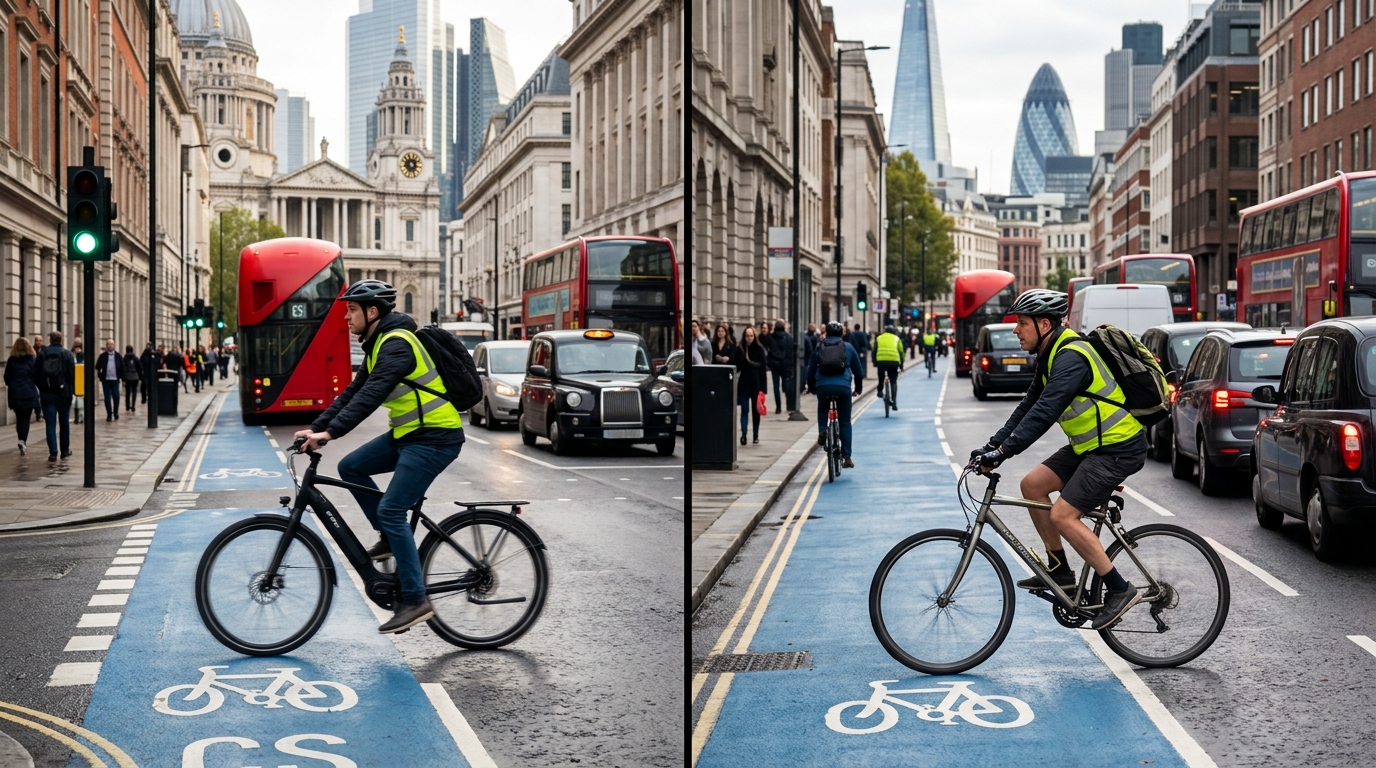
Electric bikes make cycling accessible to a wider range of people and encourage more frequent riding.
Who Should Choose a Traditional Bike?
A traditional bicycle could be the better option if you:
- Want maximum exercise.
- Have a shorter daily commute.
- Prefer a lighter bicycle.
- Have a smaller budget.
- Enjoy the simplicity of cycling without electrical components.
Many experienced cyclists appreciate the direct connection and control that traditional bikes provide.
Making the Right Choice
There is no single answer that suits everyone.
An electric bike offers convenience, comfort, and assistance, making it ideal for longer or more demanding commutes. A traditional bike provides simplicity, affordability, and an excellent workout, making it a favourite for shorter journeys and fitness-focused riders.
Think about your daily distance, budget, storage space, and cycling goals before making your decision. The best bike is the one that fits naturally into your lifestyle and encourages you to ride regularly.
Final Thoughts
Whether you choose an electric bike or a traditional bicycle, cycling remains one of the smartest ways to travel around London. It saves time, reduces commuting costs, supports a healthier lifestyle, and allows you to experience the city from a completely different perspective. Both options have unique advantages, and the right choice depends on your individual needs rather than a one-size-fits-all solution. If you’re looking for expert guidance, quality bicycles, professional servicing, or reliable cycling accessories, visit Station Bicycles, where the experienced team can help you find the perfect bike for your London commute and keep it performing at its best for years to come.