London is one of the best cities in the UK for cycling. With an expanding network of cycle lanes, beautiful parks, and an increasing number of people choosing bikes for commuting and leisure, cycling has become part of everyday life. Whether you’re riding to work, heading to the shops, or enjoying a weekend adventure, travelling by bike offers freedom, exercise, and a greener way to get around.
However, London’s busy streets also present challenges. Heavy traffic, crowded junctions, changing weather, and unpredictable road users can all increase the risk of accidents. The good news is that many cycling accidents can be avoided by understanding the most common dangers and adopting safe riding habits.
In this guide, we’ll look at the most frequent causes of bike accidents in London and share practical advice to help you stay safe every time you ride.
1. Drivers Failing to See Cyclists
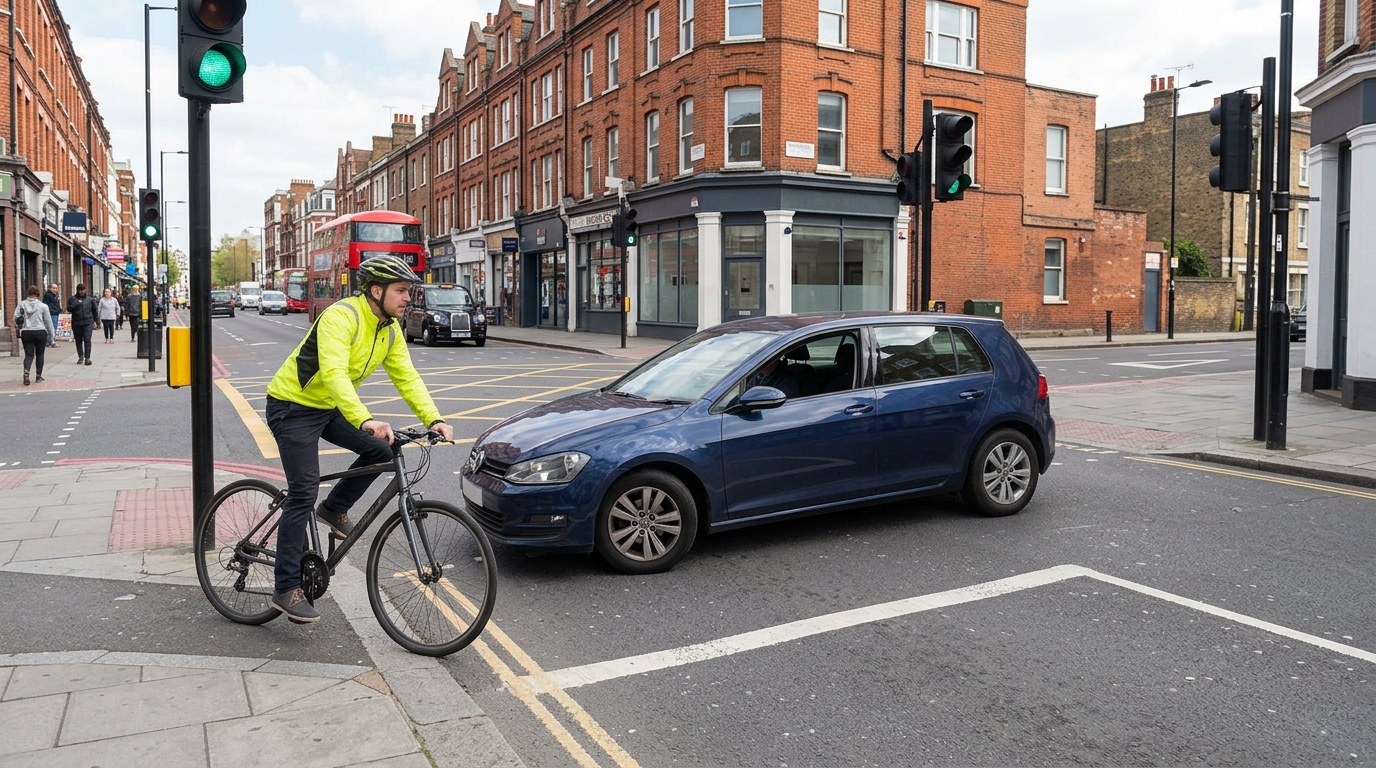
One of the leading causes of cycling accidents is motorists simply not noticing cyclists. This often happens at junctions, roundabouts, or when vehicles turn across a cyclist’s path.
Drivers may be distracted, checking mirrors too late, or dealing with busy traffic. Unfortunately, cyclists are smaller than cars and can easily disappear into blind spots.
How to Avoid It
- Wear bright or reflective clothing, especially in poor light.
- Use powerful front and rear lights, even during cloudy days.
- Avoid riding in a driver’s blind spot.
- Make eye contact with drivers whenever possible before crossing junctions.
- Ride predictably and avoid weaving between vehicles.
Being visible gives drivers more time to react and greatly reduces the chance of a collision.
2. Dooring Incidents
“Dooring” occurs when someone opens a parked car door directly into the path of an approaching cyclist. It can happen in an instant and often leaves little time to react.
Many London streets are lined with parked cars, making this one of the city’s most common cycling hazards.
How to Avoid It
- Leave enough space between yourself and parked vehicles.
- Watch for brake lights or movement inside parked cars.
- Slow down when passing rows of parked vehicles.
- Be prepared to stop if someone suddenly opens a door.
Keeping a safe distance may feel uncomfortable on narrow roads, but it provides valuable reaction time.
3. Poor Road Conditions
Not every accident involves another road user. Potholes, broken road surfaces, loose gravel, wet leaves, damaged drains, and uneven paving can all cause cyclists to lose control.
Rain often makes these hazards even more dangerous by hiding potholes beneath puddles.
How to Avoid It
- Look well ahead instead of directly in front of your wheel.
- Reduce speed on unfamiliar roads.
- Keep both hands firmly on the handlebars when riding over rough surfaces.
- Report dangerous potholes to the local council where possible.
- Check your tyre pressure regularly to improve grip and control.
Staying alert to changing road conditions can prevent many unnecessary falls.
4. Speeding Through Junctions
Junctions are where many cycling collisions occur. Cars, buses, taxis, pedestrians, and cyclists all converge in the same space, making these areas particularly risky.
Cyclists sometimes assume they have been seen and continue without slowing down.
How to Avoid It
- Reduce your speed before every junction.
- Never assume another road user will stop.
- Be ready to brake if necessary.
- Follow traffic signals carefully.
- Position yourself where drivers can clearly see you.
Taking an extra few seconds at junctions can make a huge difference to your safety.
5. Distracted Road Users
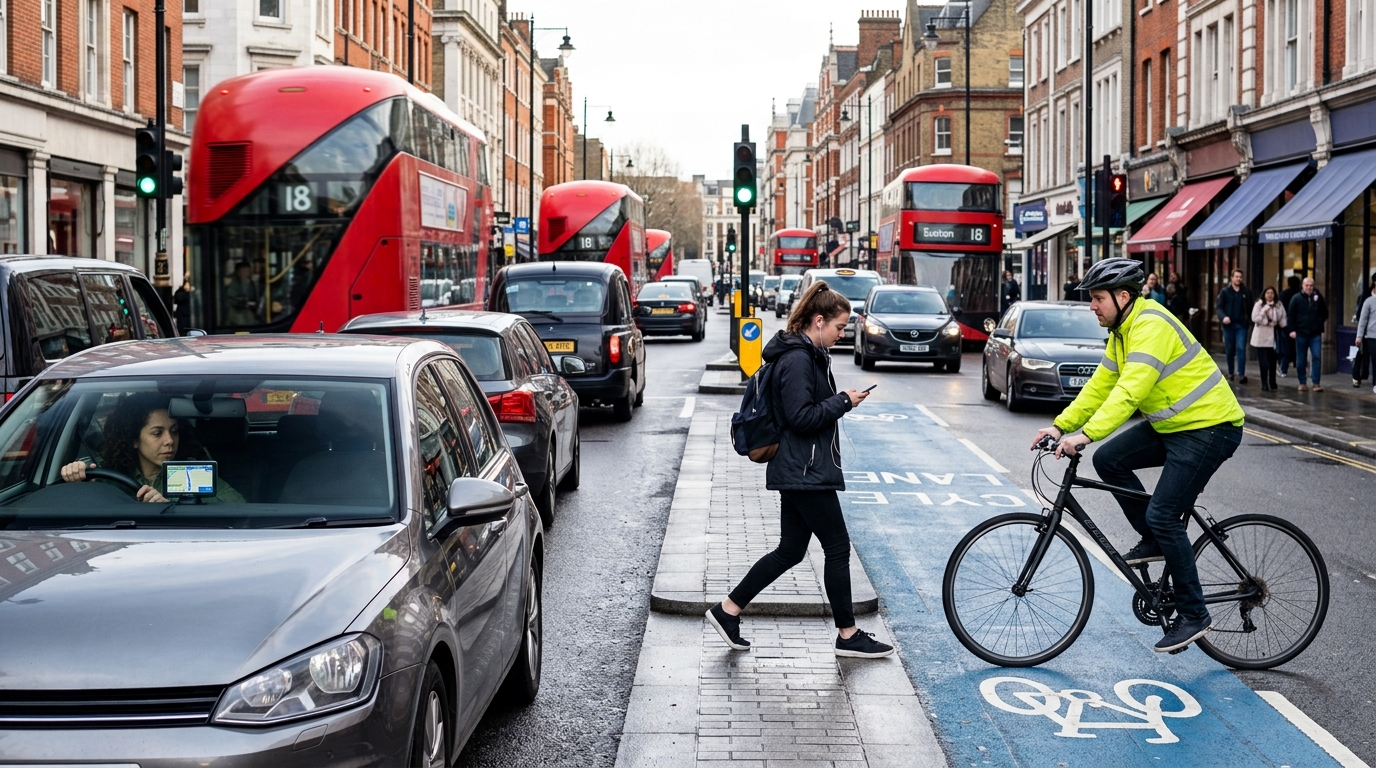
Modern roads are full of distractions. Drivers may glance at sat-nav systems, passengers, or mobile phones. Pedestrians often step into cycle lanes while looking at their own devices.
Even other cyclists can become distracted.
How to Avoid It
- Stay focused throughout your ride.
- Keep your hands ready on the brakes.
- Anticipate sudden movements from pedestrians.
- Avoid wearing headphones that block surrounding sounds.
- Leave extra space in busy areas.
Defensive riding allows you to react quickly when someone else makes a mistake.
6. Riding Too Close to Large Vehicles
Buses and heavy goods vehicles have significant blind spots. If a cyclist rides alongside them, especially near junctions, the driver may have no idea they are there.
Left-turning vehicles present a particular danger.
How to Avoid It
- Never undertake large vehicles approaching junctions.
- Stay behind if you’re unsure the driver has seen you.
- Make yourself visible by positioning clearly within the lane.
- Wait patiently rather than trying to squeeze through tight gaps.
A few moments of patience are always worth more than taking unnecessary risks.
7. Wet Weather and Slippery Roads
London weather is famously unpredictable. Rain reduces tyre grip and increases stopping distances for everyone on the road.
Painted road markings, metal drain covers, tram tracks, and fallen leaves become especially slippery after rainfall.
How to Avoid It
- Slow down when roads are wet.
- Brake gently and earlier than usual.
- Avoid sharp turns.
- Keep your tyres in good condition.
- Wear waterproof clothing that doesn’t restrict movement.
Adjusting your riding style for the weather makes cycling much safer and more comfortable.
8. Poor Bike Maintenance
Even experienced cyclists can have accidents if their bike isn’t properly maintained. Worn brake pads, loose handlebars, damaged tyres, or poorly adjusted gears can all create dangerous situations.
Small mechanical issues often become serious problems when ignored.
How to Avoid It
Perform a quick safety check before every ride:
- Test both brakes.
- Check tyre pressure.
- Ensure wheels are secure.
- Inspect the chain.
- Confirm lights are working properly.
Regular servicing keeps your bicycle reliable and helps prevent mechanical failures on busy roads.
9. Cycling Too Fast for the Conditions
Speed itself isn’t always dangerous, but riding faster than conditions allow can reduce reaction time.
Busy shopping streets, school zones, shared paths, and crowded parks all require slower speeds.
How to Avoid It
- Ride at a pace that matches your surroundings.
- Slow down in crowded areas.
- Leave enough stopping distance.
- Be especially cautious when visibility is limited.
A controlled pace allows you to deal with unexpected hazards more safely.
10. Ignoring Basic Road Rules
Traffic rules exist to protect everyone. Running red lights, ignoring signs, or making sudden lane changes increases the likelihood of collisions.
Responsible cycling also improves relationships between cyclists, motorists, and pedestrians.
How to Avoid It
- Obey traffic lights.
- Use hand signals before turning.
- Ride in the correct direction.
- Give way where required.
- Respect pedestrian crossings.
Predictable riding helps everyone share London’s roads more safely.
Build Good Cycling Habits
Avoiding accidents isn’t about being perfect—it’s about making smart decisions consistently.
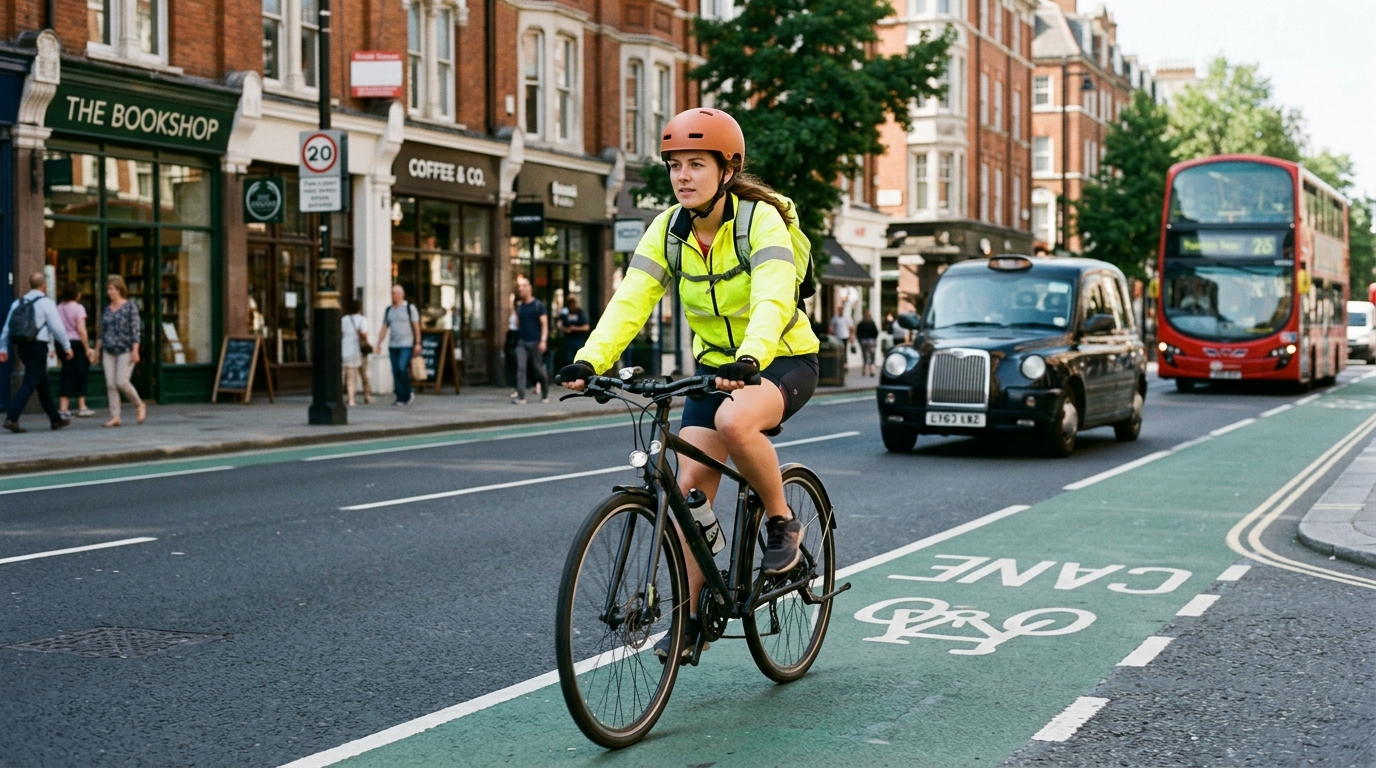
Good habits include:
- Planning your route before leaving.
- Keeping both hands available for braking.
- Staying alert at all times.
- Leaving plenty of space around other road users.
- Wearing a properly fitted helmet.
- Using lights during low visibility.
- Remaining patient in heavy traffic.
The more these habits become routine, the safer every ride becomes.
Final Thoughts
Cycling in London is an enjoyable and practical way to travel, but safety should always come first. Most bike accidents happen because of situations that can be anticipated and avoided with careful riding, good bike maintenance, and awareness of your surroundings. Every journey is different, yet staying visible, following the Highway Code, and riding defensively will significantly reduce your chances of being involved in an accident.
Whether you’re a daily commuter or someone who enjoys weekend rides, investing a little time in safe cycling habits pays off every time you head out. If you’re looking for quality cycling equipment, reliable bike servicing, or expert advice to keep your bicycle in excellent condition, Station Cycles is a trusted place to help you stay safe and enjoy every ride across London.