As the temperatures begin to drop and the days become shorter, many cyclists are tempted to put their bikes away until spring. However, winter doesn’t have to signal the end of your riding season. With the right preparation, cycling through the colder months can be just as enjoyable and rewarding as riding in summer. Crisp morning air, quieter roads, and peaceful landscapes offer a completely different cycling experience that many riders grow to appreciate.
That said, winter conditions demand more from both you and your bike. Rain, mud, ice, road salt, and freezing temperatures can all take a toll on bicycle components if they are not properly maintained. Preparing your bike before winter arrives will help keep it running smoothly, improve your safety, and reduce the risk of costly repairs later on.
Whether you ride every day or simply enjoy occasional weekend outings, these practical tips will help you get your bike ready for the winter season.
Give Your Bike a Thorough Clean
Before making any adjustments or upgrades, start with a deep clean. Dirt, grease, and old road grime can hide worn parts and make routine maintenance more difficult.
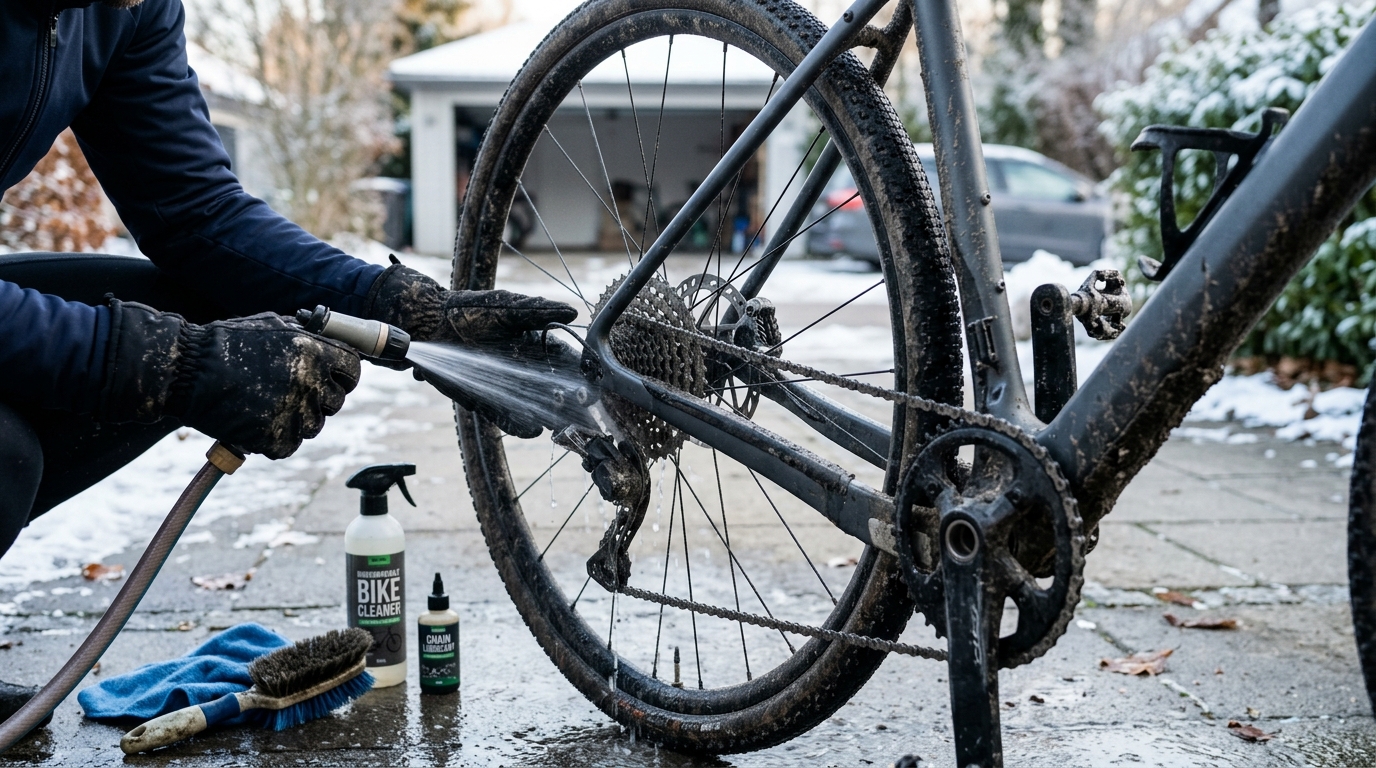
Wash your frame, wheels, drivetrain, and brakes using bike-friendly cleaning products and warm water. Pay close attention to areas where mud and dirt tend to collect, such as around the bottom bracket, chainrings, and rear derailleur.
Once everything is clean, dry the bike completely with a soft cloth. Removing moisture helps prevent rust and corrosion before they have a chance to develop.
Starting the winter season with a clean bike also makes it easier to spot any problems that need attention.
Inspect Your Tyres Carefully
Tyres play a major role in keeping you safe during winter.
Check for cuts, cracks, worn tread, or embedded debris that could lead to punctures. If your tyres are heavily worn, replacing them before winter arrives is a wise investment.
Many cyclists switch to wider tyres during the colder months. Wider tyres provide better grip on wet roads and uneven surfaces while increasing stability.
Reducing tyre pressure slightly can also improve traction, but always stay within the manufacturer’s recommended pressure range.
If you regularly ride in icy conditions, specialised winter tyres with enhanced grip may offer additional confidence.
Check Your Brakes
Reliable braking becomes even more important when roads are wet or slippery.
Inspect your brake pads for wear and replace them if necessary. Worn pads reduce stopping power and can become dangerous during heavy rain.
If your bike uses disc brakes, check the rotors for damage and ensure the pads make even contact.
For rim brakes, clean the braking surface regularly to remove grit and road residue that can reduce performance.
Testing your brakes before every ride gives you confidence when conditions become unpredictable.
Lubricate the Drivetrain
Winter weather exposes your chain and gears to moisture, dirt, and road salt, all of which increase wear.
After cleaning your drivetrain, apply a quality wet-weather chain lubricant. Wet lubricants stay on the chain longer during rainy conditions and provide better protection against corrosion.
Avoid applying too much lubricant, as excess oil attracts dirt. Wipe away any extra lubricant with a clean cloth after application.
Keeping your drivetrain properly lubricated helps maintain smooth gear shifting while extending the life of your components.
Protect Your Bike from Road Salt
Road salt helps improve driving conditions but can be particularly harsh on bicycles.
Salt accelerates corrosion, especially on metal components like chains, cables, bolts, and gears.
Whenever possible, rinse your bike with clean water after riding on salted roads. This simple habit removes harmful residue before it causes lasting damage.
Dry the bike thoroughly afterwards and inspect vulnerable areas regularly throughout the season.
Fit Mudguards
Winter roads often become wet, muddy, and covered with debris.
Installing full-length mudguards keeps water and dirt away from both you and your bicycle. They also reduce the amount of grime reaching your drivetrain, helping components last longer.
Mudguards make winter rides cleaner, more comfortable, and far more enjoyable.
They are particularly useful for commuters who want to arrive at work without muddy clothing.
Check Your Lights
Shorter days mean you’ll probably spend more time riding in low-light conditions.
Ensure both your front and rear lights are bright, fully charged, and securely mounted.
Modern LED lights provide excellent visibility while offering long battery life.
Carry spare batteries or a charging cable if you’re planning longer rides, especially during darker evenings.
Good lighting helps you see hazards ahead while making it easier for motorists and pedestrians to notice you.
Wear High-Visibility Clothing
Visibility is just as important as lighting.
Choose jackets, gloves, overshoes, or helmets with reflective details that stand out in poor weather.
Bright colours such as yellow, orange, or fluorescent green improve visibility during gloomy winter days.
Reflective ankle straps and backpacks can provide additional visibility from multiple angles.
Making yourself easier to see significantly improves safety on busy roads.
Inspect Your Gears and Cables
Cold temperatures and moisture can affect cable performance over time.
Check that your gears shift smoothly across all sprockets without hesitation.
Frayed or rusty cables should be replaced before winter begins.
Modern sealed cable systems offer greater protection against water and dirt, reducing maintenance during the colder months.
Smooth shifting makes riding easier, especially when climbing hills or navigating changing terrain.
Keep Essential Tools with You
Winter conditions can increase the likelihood of mechanical issues.
Carry a small repair kit that includes:
- Spare inner tube
- Mini pump
- Multi-tool
- Tyre levers
- Puncture repair kit
- Chain tool if appropriate
Having these essentials allows you to deal with minor problems quickly and continue your journey safely.
Dress for the Weather
While preparing your bike is important, preparing yourself is equally essential.
Dress in layers that can be adjusted as your body warms up during the ride.
Wear thermal gloves, waterproof overshoes, and insulated socks to keep your hands and feet comfortable.
A breathable waterproof jacket protects against rain while allowing excess heat to escape.
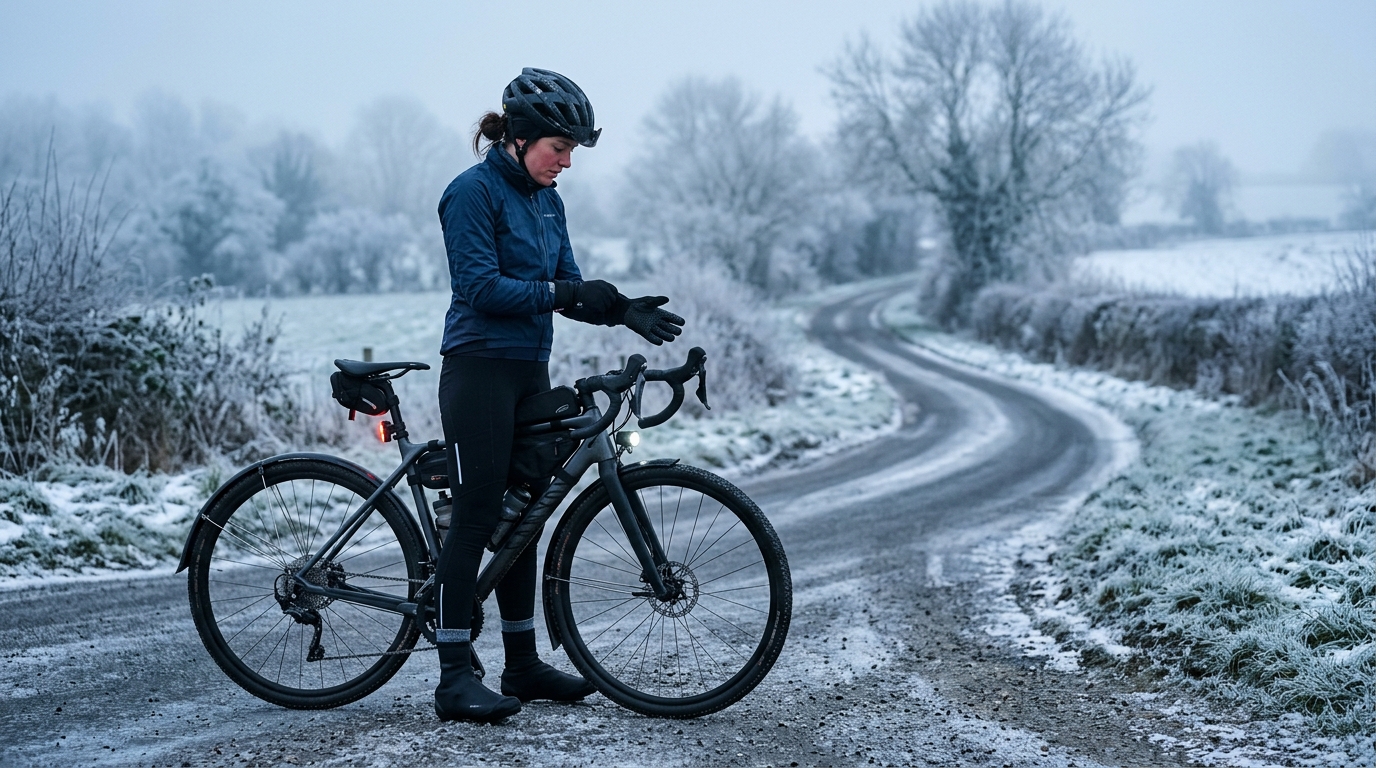
Avoid overdressing, as sweating excessively can leave you feeling colder later in the ride.
Plan Your Winter Routes
Not every road is ideal during winter.
Choose routes that are regularly maintained and well-lit whenever possible.
Cycle paths and quieter roads often provide a more relaxed riding experience while reducing exposure to heavy traffic.
Avoid roads known for flooding or poor drainage after heavy rain.
Checking weather forecasts before leaving home also allows you to avoid severe conditions when necessary.
Store Your Bike Properly
Where you keep your bike matters during winter.
Whenever possible, store it indoors in a dry location such as a garage, shed, or hallway.
If outdoor storage is your only option, use a waterproof bike cover to protect it from rain, frost, and snow.
Avoid leaving your bike exposed to the elements for extended periods, as this accelerates wear on components.
Schedule Regular Maintenance
Winter riding places additional stress on every part of your bicycle.
Instead of waiting for problems to appear, inspect your bike regularly throughout the season.
Clean it more frequently, check tyre pressure weekly, monitor brake performance, and keep the drivetrain properly lubricated.
Small maintenance tasks carried out regularly are far easier and less expensive than repairing major damage later.
Professional servicing during the winter can also help identify hidden issues before they become serious.
Ride with Extra Care
Even a perfectly prepared bike cannot eliminate every winter hazard.
Reduce your speed on wet roads, allow extra braking distance, and avoid sudden steering movements on slippery surfaces.
Watch for fallen leaves, painted road markings, black ice, and puddles that may conceal potholes.
Riding smoothly and predictably helps maintain control while improving safety for everyone sharing the road.
Final Thoughts
Winter cycling can be incredibly rewarding when both you and your bike are properly prepared. A clean, well-maintained bicycle equipped with reliable tyres, efficient brakes, bright lights, and the right accessories will perform far better in cold, wet conditions. Combined with careful route planning and appropriate clothing, these simple preparations allow you to ride with confidence throughout the colder months. Whether you’re
comm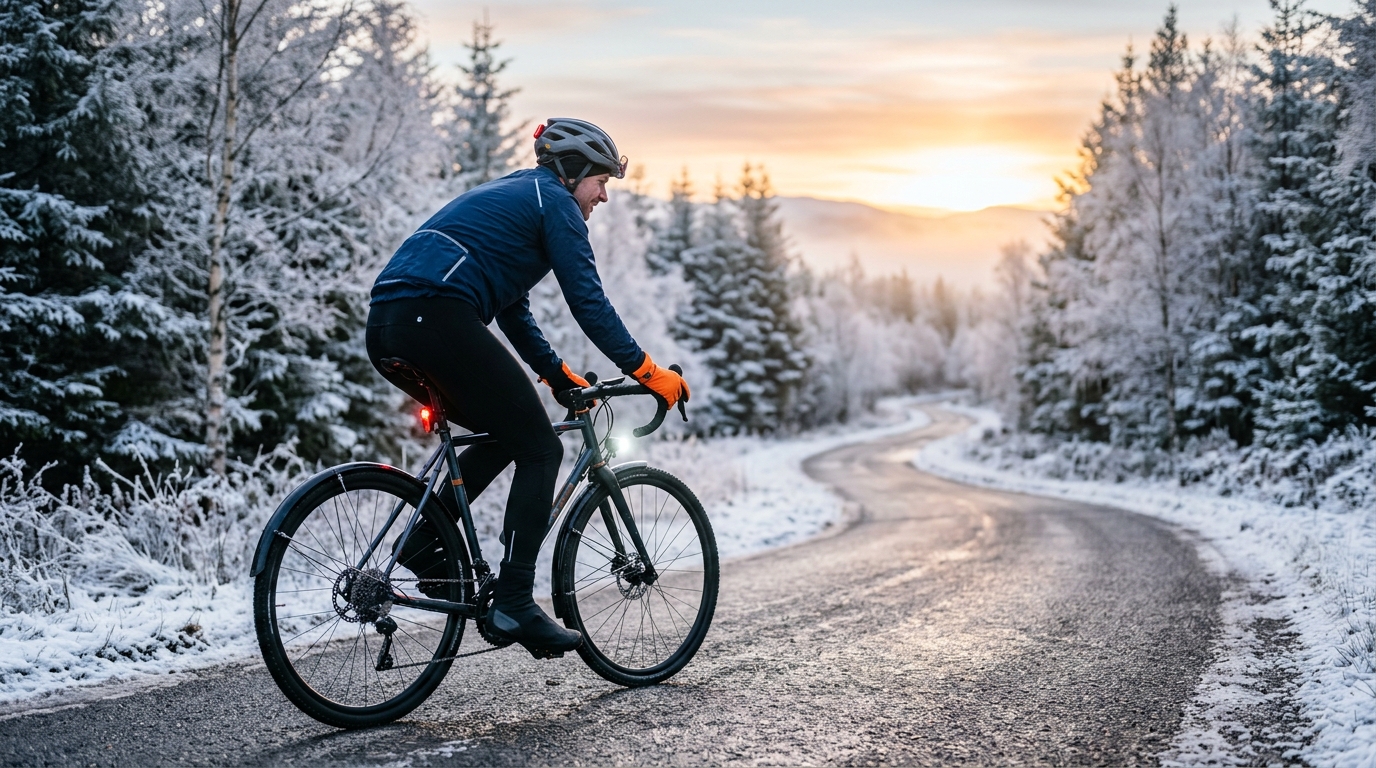 uting every day or enjoying weekend rides, taking care of your bicycle now will help it perform reliably all winter long. If you’re looking for expert servicing, winter accessories, quality replacement parts, or professional advice before the colder season begins, Station Cycle is an excellent place to visit. Their experienced team can help prepare your bike for winter, ensuring every ride is safer, smoother, and more enjoyable.