Owning a bike gives you freedom in a way few other things can. Whether you ride to work every morning, enjoy long weekend adventures, or simply use your bicycle for quick errands around town, a bike can become part of your everyday life. But like any machine, it needs attention. Many riders ignore small maintenance issues because the bike still “works fine.” A squeaky chain, soft brakes, or worn tires may not seem urgent at first. Over time, though, those little problems can quietly turn into expensive repairs, safety risks, and unnecessary stress.
Most people think bike maintenance is only about keeping the bicycle looking clean. In reality, regular care affects performance, comfort, safety, and even your wallet. Neglecting your bike may save you a few minutes today, but it often leads to bigger costs later. Here’s a closer look at the hidden costs of not maintaining your bike and why simple upkeep matters more than most riders realize.
Small Problems Become Expensive Repairs
One of the biggest hidden costs of poor bike maintenance is how quickly small issues grow into major mechanical problems. A dry or dirty chain is a perfect example. At first, it may only make a slight clicking sound. Many riders ignore it because the bike still moves normally. However, when the chain is not cleaned and lubricated regularly, friction increases. That friction wears down the chain, cassette, and chainrings faster than expected.Replacing a chain is relatively inexpensive. Replacing an entire drivetrain is not.
The same thing happens with brake pads. Worn pads may seem harmless for a while, but if they are ignored too long, they can damage the wheel rims or brake rotors. Suddenly, what could have been a simple replacement turns into a much larger repair bill. Bike parts work together as a system. When one component is neglected, it often affects everything around it. Regular maintenance helps you catch these problems early, before they become expensive headaches.
Poor Maintenance Reduces Your Bike’s Lifespan
A bicycle is an investment. Some riders spend hundreds of dollars, while others spend thousands on high-quality bikes and accessories. Without proper care, that investment loses value much faster than it should. Dirt, moisture, and rust slowly damage important components. Bearings become rough, cables stiffen, and metal parts begin to corrode. Over time, the bike feels slower, less responsive, and uncomfortable to ride. A well-maintained bike can last for many years, even with daily use.
On the other hand, a neglected bike may start breaking down after only a short period. Riders often blame the bike brand or product quality when the real issue is lack of maintenance. Simple habits like wiping down the frame, lubricating moving parts, checking tire pressure, and storing the bike properly can dramatically extend its life. Those few minutes of care protect the money you already spent.
You End Up Spending More on Transportation
Many people rely on bikes to save money. Compared to cars, motorcycles, or public transportation, cycling is extremely affordable. But when a bike is poorly maintained, unexpected breakdowns can interrupt daily routines. Imagine riding to work and suddenly dealing with a flat tire, broken chain, or failed brakes. If the bike becomes unusable, you may need to pay for a taxi, rideshare service, or public transport at the last minute.
These unexpected costs add up quickly. In some cases, riders stop using their bikes altogether because maintenance problems become overwhelming. The bicycle sits unused while transportation expenses continue to rise elsewhere.Regular upkeep keeps your bike dependable. A reliable bike means fewer disruptions, fewer emergency repairs, and more confidence in your daily travel.
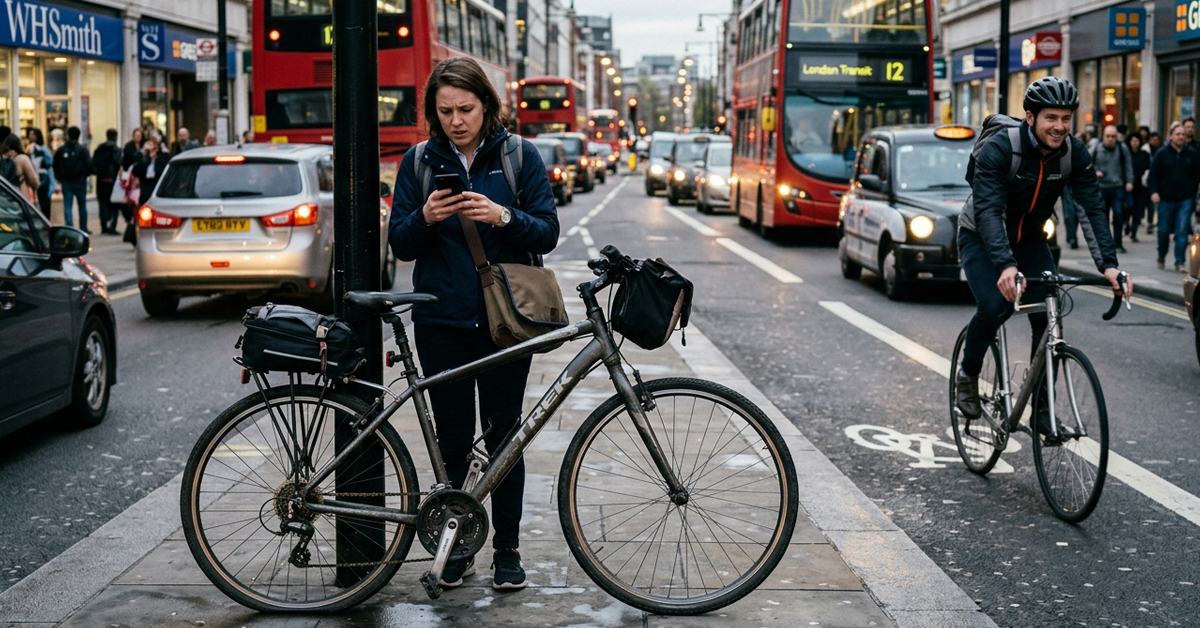
Neglected Bikes Can Put Your Safety at Risk
The most serious hidden cost of poor maintenance is personal safety. Mechanical failures can lead to dangerous accidents, especially in busy traffic or on rough roads. Brakes are one of the clearest examples. Weak or worn brakes increase stopping distance and reduce control. In an emergency situation, even a small delay can make a huge difference. Tires also play a major role in safety.
Underinflated or worn tires reduce grip and increase the chance of punctures. Cracked tires may suddenly fail during a ride, especially at higher speeds. Loose bolts, damaged wheels, and stretched cables are other common issues that riders overlook. These problems may seem minor until something suddenly breaks while riding.Many accidents blamed on “bad luck” are actually linked to poor maintenance. A bike that receives regular inspections is far less likely to fail when you need it most
.
Riding Stops Feeling Enjoyable
Cycling should feel smooth, comfortable, and enjoyable. But a poorly maintained bike changes the entire experience. A dirty drivetrain makes pedaling harder. Misaligned gears create frustrating shifting problems. Loose components produce constant rattling and noise. Instead of enjoying the ride, you spend the entire journey feeling irritated. Over time, discomfort discourages people from riding regularly. Some riders eventually lose interest in cycling altogether because the bike no longer feels pleasant to use. The difference between a neglected bike and a properly maintained one is often surprising. Even basic maintenance can make a bike feel faster, quieter, and easier to control. When your bicycle works properly, riding becomes something you look forward to instead of something you tolerate.
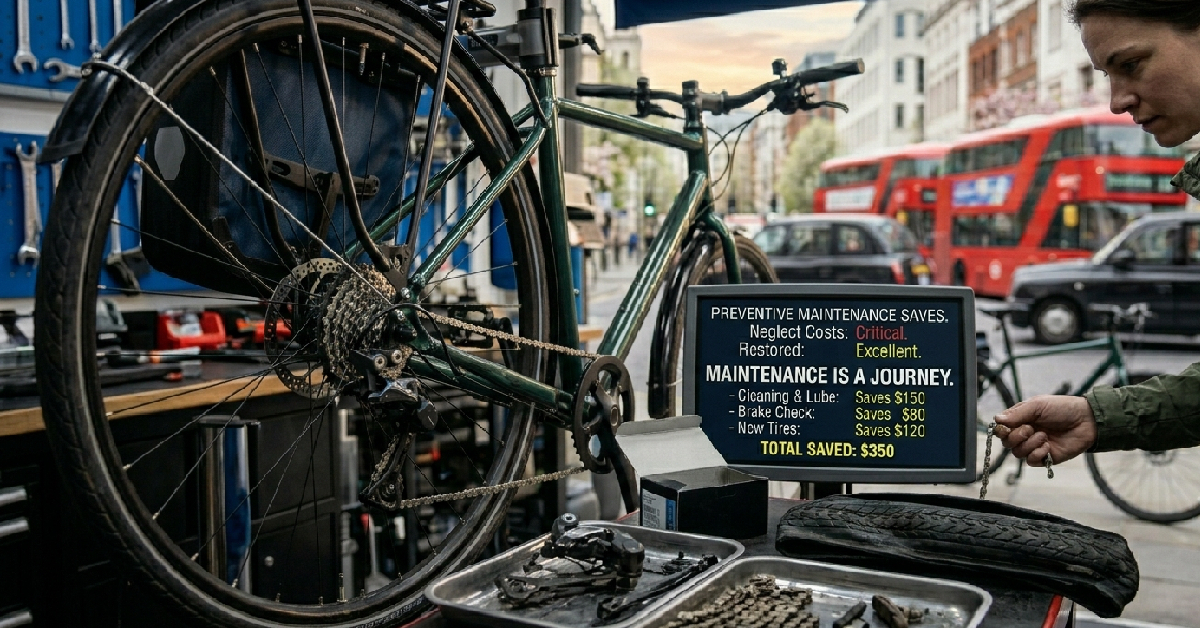
Ignoring Maintenance Hurts Performance
Even if you are not a professional cyclist, bike performance still matters. A poorly maintained bike requires more energy to ride. Dirty chains increase resistance, low tire pressure slows movement, and worn bearings create drag. That means you work harder while getting less performance from the bike. For commuters, this can mean arriving at work more tired than necessary. For fitness riders, it reduces workout efficiency. For long-distance cyclists, neglected maintenance can turn a fun ride into an exhausting struggle. A smooth -running bike responds better, climbs easier, and rolls more efficiently. Proper maintenance allows every part of the bicycle to perform as intended.
Emergency Repairs Always Cost More
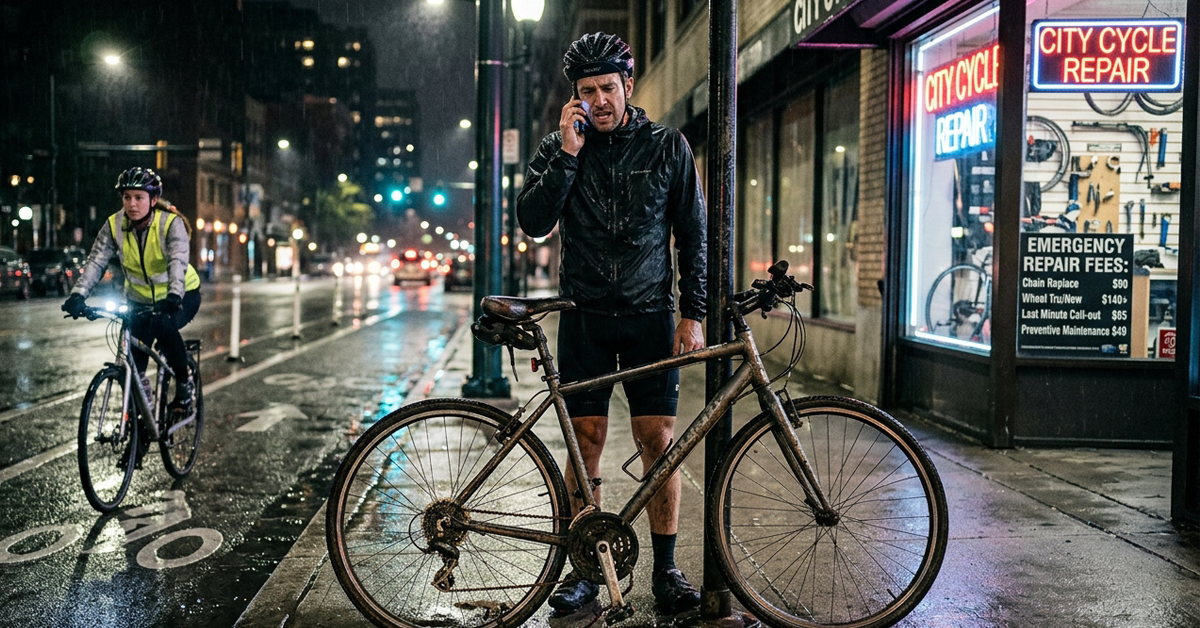
One of the most frustrating things about bike neglect is that problems rarely happen at convenient times. Breakdowns usually occur when you are rushing somewhere important or far from home. Emergency repairs often cost more because the damage is worse by the time you finally address it. In some situations, bike shops may need to replace multiple parts instead of fixing a single issue. There is also the emotional cost of stress and inconvenience. Nobody enjoys being stranded with a broken bike in the middle of a ride. Preventive maintenance is always cheaper than emergency repairs. Spending a little time each month checking your bike can save you from major problems later.
Your Bike Loses Resale Value
If you ever plan to upgrade or sell your bike, maintenance matters even more. Buyers can quickly tell whether a bicycle has been cared for properly. Rust, worn components, dirty drivetrains, and damaged tires immediately reduce resale value. Even if the bike still functions, poor condition makes buyers hesitant. A clean and well-maintained bike not only sells faster but also commands a better price. Maintenance records and visible care show that the bike has been responsibly used. Neglect, on the other hand, lowers confidence and forces sellers to accept much less money.
Maintenance Is Easier Than Most People Think
Many riders avoid maintenance because they assume it is difficult or time-consuming. In reality, basic bike care is simple once you build a routine. You do not need to be a professional mechanic to handle common tasks. Cleaning the chain, checking tire pressure, inspecting brakes, and tightening loose bolts take very little time. Even learning a few beginner maintenance skills can prevent major issues later. A short inspection before each ride can make a huge difference. Listening for unusual sounds, checking how the brakes feel, and making sure the tires are properly inflated are all quick habits that improve safety and performance. For more complicated repairs, visiting a bike shop regularly is still far cheaper than ignoring problems until they become severe.
Final Thoughts
A bicycle may seem simple compared to a car or motorcycle, but it still depends on regular care to perform properly. Ignoring maintenance can lead to costly repairs, reduced safety, poor performance, and a much shorter lifespan for your bike. What starts as a tiny issue today can easily become a major expense tomorrow. Taking care of your bike does not require endless time or mechanical expertise. Small, consistent habits make the biggest difference. Cleaning your bike, checking the brakes, lubricating the chain, and replacing worn parts early can save money and prevent frustration in the long run. More importantly, a properly maintained bike simply feels better to ride.
It becomes more reliable, more enjoyable, and safer every time you head out on the road. Whether you are a casual rider or someone who cycles every day, regular maintenance is one of the smartest things you can do for your bicycle. In the end, investing a little effort into bike care today can protect both your wallet and your riding experience tomorrow with stationbicycle.