There are few cities in the world where history feels as alive as it does in London. Roman walls stand not far from glass skyscrapers. Medieval churches hide between modern office buildings. Grand palaces share streets with bustling cafes. Exploring this layered city on foot is rewarding, but exploring it by bike offers something even more special. Cycling allows you to glide between centuries in a single afternoon, covering more ground while still absorbing the details that make London unforgettable. A historical tour of London by bike is not about rushing. It is about weaving through time, pausing when curiosity calls, and feeling the rhythm of the city beneath your wheels.
Riding Past London’s Iconic Landmarks
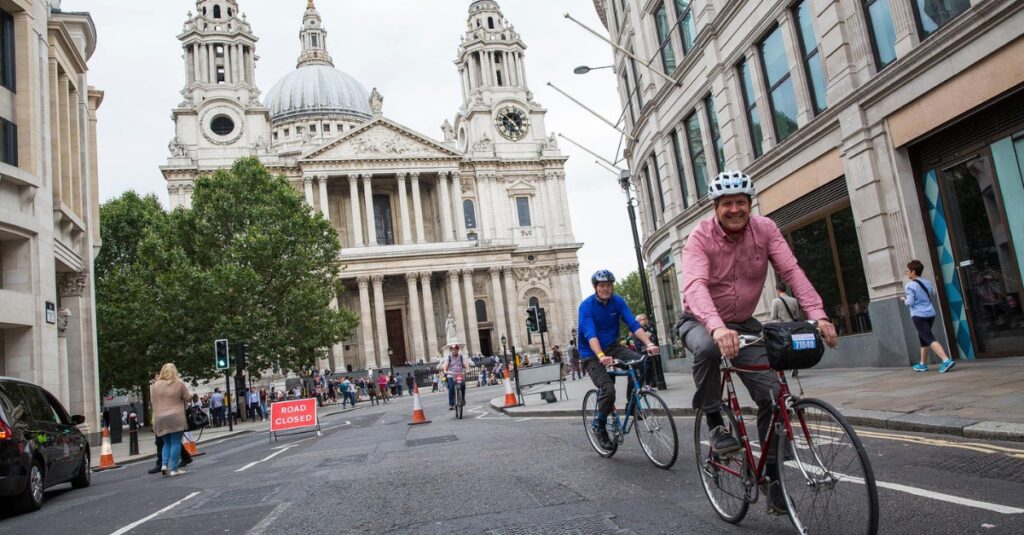
A perfect historical ride often begins along the River Thames, where some of London’s most recognisable landmarks stand proudly against the skyline. Cycling across Tower Bridge, with the breeze from the river brushing past you, feels cinematic. To one side rises the historic Tower of London, a fortress that has witnessed royal dramas, political intrigue, and centuries of transformation. The contrast between its ancient stone walls and the modern city surrounding it is striking. Following the Thames westward, the route flows toward St Paul’s Cathedral. Its magnificent dome has dominated the skyline since the 17th century, surviving wars and witnessing countless national moments. Pausing nearby, you can almost hear echoes of history carried in the air. Continuing along the Embankment cycle paths, the Houses of Parliament come into view, their Gothic architecture standing elegantly beside the river. Big Ben marks the hours just as it has for generations. Cycling past Westminster Abbey, where coronations and royal weddings have taken place for centuries, adds another layer to the journey. What makes experiencing these landmarks by bike so special is the freedom it offers. You are not confined to a bus window or crowded pavement. You can stop when you like, take in the details, and move on at your own pace.
Discovering Lesser Known Historic Alleys
While London’s famous landmarks are breathtaking, its true historical charm often hides in quieter corners. Cycling allows you to venture into narrow lanes and cobbled streets that many visitors overlook. Near St Paul’s, you might find yourself turning into small alleyways like Postman’s Park, home to touching memorials dedicated to everyday heroes. A short ride away, the medieval street patterns around Smithfield whisper stories of markets that have operated for hundreds of years. In the City of London, historic alleys such as Leadenhall Market transport you back in time. The ornate Victorian roof and cobblestone pathways feel like stepping into another era. Nearby, tiny passages wind between tall buildings, revealing remnants of Roman walls tucked quietly behind modern structures. Further west, areas like Covent Garden and Seven Dials offer charming streets that once bustled with traders and theatre goers centuries ago. Even Soho, known today for its vibrant nightlife, has layers of history embedded in its architecture and street names. Cycling through these areas requires a slower pace, but that is part of the beauty. The bike becomes a bridge between grand historical narratives and intimate, hidden stories.
A Suggested Self Guided Route Through Time
For those planning their own historical cycling tour, a thoughtfully designed route can turn a simple ride into a journey across centuries. Starting near Tower Bridge provides a dramatic introduction. From there, follow the Thames Path westward toward Westminster, enjoying dedicated cycle lanes and scenic river views. After exploring Parliament Square and Westminster Abbey, head north through St James’s Park, where royal history blends with serene greenery. Cycling past Buckingham Palace adds another regal chapter to the ride. From there, make your way toward Trafalgar Square and continue into Covent Garden. The streets begin to narrow, and the atmosphere becomes more intimate. Continue east toward the City, weaving through historic streets around Bank and Monument. A climb up to the Monument to the Great Fire of London offers a reminder of the city’s resilience. From there, ride toward St Paul’s Cathedral and explore the surrounding alleys before eventually looping back toward the river. This route balances iconic landmarks with quieter discoveries. It allows for frequent stops, photographs, and spontaneous detours. The beauty of a self-guided tour is flexibility. You can linger in places that capture your imagination and skip those you have already explored.
Cycling Friendly Museum Stops
A historical cycling tour of London is enriched by strategic museum stops. The city’s museums are not only educational but often surprisingly accessible for cyclists. The Museum of London, located near the Barbican, provides a comprehensive overview of the city’s evolution from Roman settlement to modern metropolis. Parking your bike nearby and stepping inside adds context to the streets you have just ridden through. The British Museum, though slightly north of the main river route, is well worth the detour. Its vast collection tells stories not only of London but of global civilisations that influenced its development. Cycling through Bloomsbury’s quieter streets to reach it feels refreshingly calm. Closer to the river, the Churchill War Rooms near Westminster offer an immersive glimpse into Britain’s wartime leadership. After cycling past historic government buildings, stepping underground into preserved war cabinets deepens your understanding of more recent history. Even smaller institutions, such as the Sir John Soane’s Museum, provide fascinating insights into London’s artistic and architectural heritage. Many of these museums are free to enter, making it easy to combine culture and cycling in one seamless experience. The ability to ride between museums without relying on public transport keeps the momentum of the day intact. The journey itself becomes part of the education.
Experiencing History at Your Own Pace
One of the greatest joys of exploring London by bike is control over time. There is no rigid schedule. No crowded tour group dictating the pace. You can stop for coffee in a centuries old courtyard, sit by the Thames reflecting on the city’s maritime past, or simply watch the changing light over historic buildings. Cycling also connects you physically to the geography of history. You feel the gentle incline leading up Ludgate Hill toward St Paul’s. You notice how the river curves around Parliament. You sense the compactness of the medieval City compared to the openness of later developments. The physical act of pedalling through these spaces creates a memory that feels embodied rather than observed. You do not just see history you move through it.
A City That Rewards Curiosity
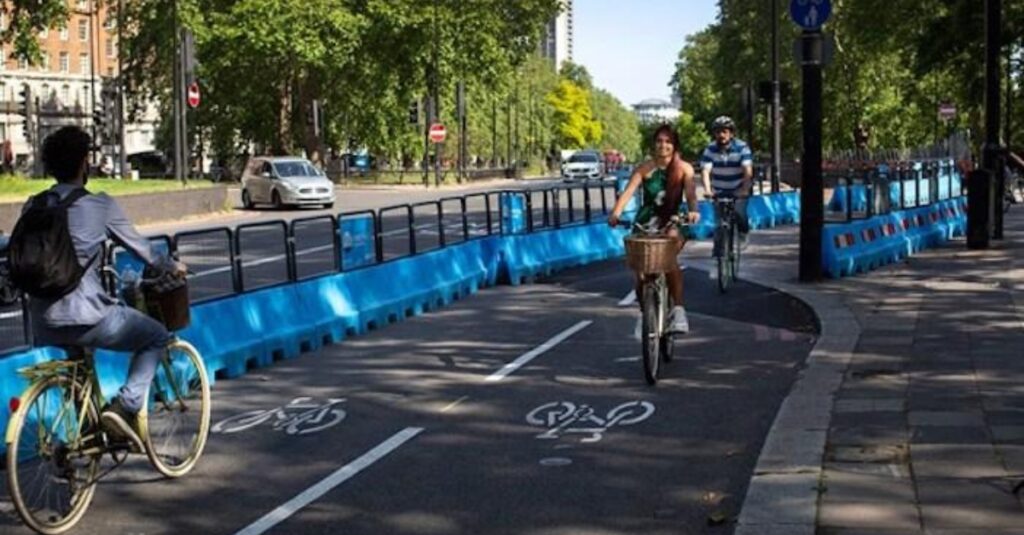
London is a city that rewards those who look closely. A carved stone above a doorway. A blue plaque marking a writer’s former home. A fragment of ancient wall preserved behind glass. These details can easily be missed when rushing from one major attraction to another. By bike, curiosity becomes easier to follow. A narrow lane invites exploration. A church bell draws attention. A quiet square offers a moment of calm amid urban energy. Each ride reveals something new, even for those who have lived in the city for years. History is not confined to textbooks or museum displays. It is woven into pavements, bridges, and street names. A historical tour of London by bike transforms sightseeing into storytelling. The city becomes a living narrative, unfolding with every turn of the wheel. And when you are ready to plan your own journey through centuries of architecture, culture, and resilience, having a reliable and comfortable bike makes all the difference. Whether you are a visitor or a long time Londoner rediscovering familiar streets, preparing your ride with trusted providers such as Station Bicycles can ensure that your historical adventure is as smooth and enjoyable as the stories you uncover along the way.