Riding a bike in London is a joy most of the year until the rain hits. One moment you’re enjoying a calm morning ride along the Thames, and the next, you’re drenched, your brakes squealing, and your wheels sending sprays of water up your legs. For many cyclists, rain is more than an inconvenience; it’s a deterrent. But with the right approach, you can ride confidently in all weather, keeping your bike in great condition and yourself comfortable. Rainproofing isn’t just about surviving a storm it’s about enjoying cycling in London year-round.
Understanding the Challenge
London weather is famously unpredictable. A sunny morning can easily turn into a grey, drizzly afternoon. Riding through rain exposes your bike to mud, grit, and water that can quickly damage components if left unchecked. Chains get slippery, brakes lose efficiency, and even tires can struggle for grip on wet roads. Beyond mechanical issues, water can splash onto your frame, cables, and gears, accelerating wear over time. Understanding these challenges is the first step toward keeping your bike reliable, safe, and ready for any weather. Rain isn’t just about getting wet; it changes the very environment you ride through. Wet surfaces are slick, leaves become hazards, and puddles can hide potholes. A well-prepared bike won’t just survive the rain; it will make navigating these conditions far easier.
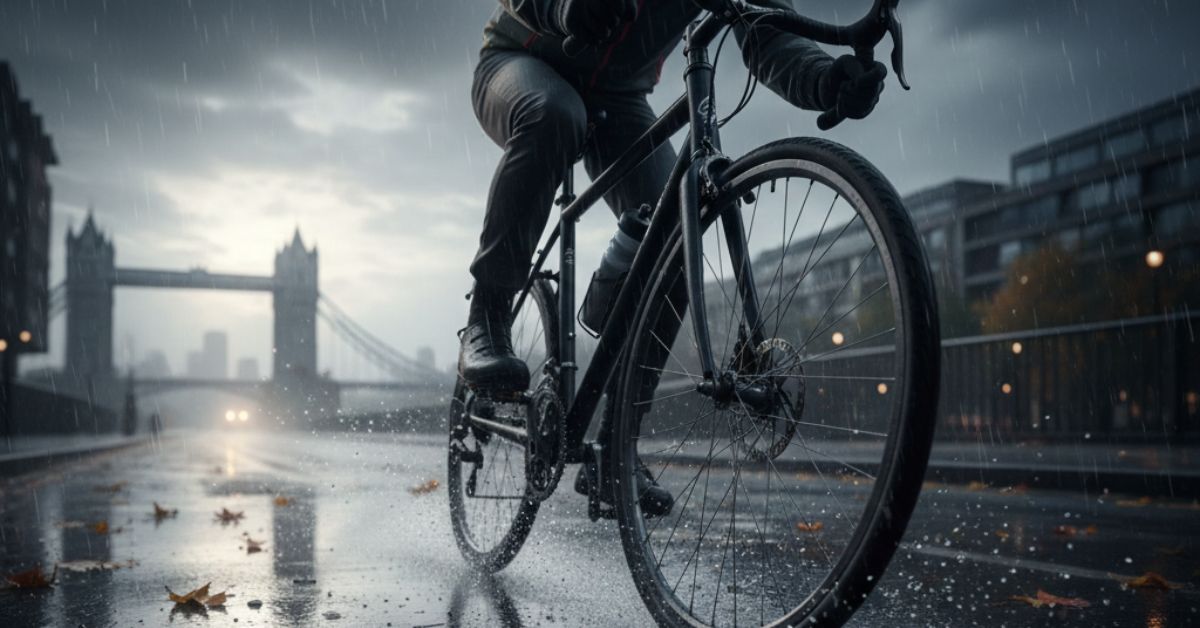
Protecting Your Frame and Components
A rainproofed bike starts with the frame. Regular cleaning is essential, but adding protective measures can prevent long-term corrosion. Frame protection products, such as sprays or waxes designed for bicycles, create a barrier against moisture. Paying attention to areas where water can accumulate the underside of the frame, around the bottom bracket, and near cable entry points is crucial.Lubrication plays an equally important role. Chains, derailleurs, and pivots need wet-weather-specific lubricants. Unlike standard lubes, wet-weather lubes cling to metal surfaces even in heavy rain, reducing rust and wear. Reapplying regularly, especially after rides in persistent rain, keeps the drivetrain smooth and reliable. Brake systems also need attention. Rim brakes can lose stopping power if rims are coated in water and dirt, while disc brakes require occasional cleaning to prevent squealing. Wiping rims or brake discs after a wet ride, and ensuring pads are free from grit, can make a dramatic difference in braking performance.
Fenders and Mudguards: Your Best Friends
Few upgrades improve wet-weather cycling as much as fenders. They transform a wet, messy ride into a far more comfortable experience. Without them, every puddle becomes a splash zone, soaking your legs and back. Full-length mudguards on both front and rear wheels keep water off the frame, wheels, and most importantly yourself. When choosing fenders, consider coverage and clearance. Wider tires need more generous mudguards, and bikes with suspension or disc brakes may require specific designs. Properly fitted, fenders significantly reduce the amount of grit, mud, and water reaching your drivetrain. This isn’t just about comfort; it protects your bike and prolongs the life of essential components.
Tires and Grip in Wet Conditions
Tires often determine how a bike behaves in the rain. Wet roads reduce friction, making cornering, braking, and sudden maneuvers more hazardous. Choosing tires with slightly deeper tread or puncture-resistant properties can increase confidence on slippery streets. Slightly lower tire pressure also improves grip, allowing more contact with the road. Routine tire checks are vital. Inspect for cuts, embedded grit, or wear that can worsen in wet conditions. London streets have hidden hazards: manhole covers become slick, painted lines can act like ice, and puddles may conceal potholes. Well-maintained tires make a big difference in navigating these challenges safely.
Cabling and Electrical Components
Modern bikes often include electronics from lights to gear shifters. Even on mechanical bikes, cables and housing can suffer from exposure to water. Applying a small amount of lubricant to cable ends and exposed wires prevents corrosion and keeps shifting and braking smooth. Sealing electronic components as much as possible and regularly checking connections ensures they continue functioning, no matter how heavy the rain. Water can creep into the smallest crevices, so routine inspection is key. Paying attention to areas like headset bearings, bottom brackets, and hubs can prevent water from causing long-term damage. For wet-weather riding, maintenance isn’t occasional it becomes a habit.
Storage and Drying
How you store your bike after a wet ride makes a huge difference. Leaving it outside allows water to sit on metal surfaces, accelerating rust. Ideally, bring your bike indoors or into a covered space. Wipe down the frame, chain, and components after each ride. Even a simple towel swipe can dramatically reduce corrosion over time. Allow the bike to dry completely before lubricating again. A wet chain with fresh lube applied over water will wash away much faster than when applied to a dry surface. Thoughtful post-ride care ensures your bike is ready for the next journey, rain or shine.
Riding Techniques for Rainy Days
Rainproofing isn’t just about equipment how you ride matters too. Wet roads demand slower speeds, especially on corners and painted surfaces. Braking earlier than usual and avoiding sudden accelerations keeps you stable and prevents accidents. Positioning yourself away from car tires reduces spray and improves visibility. Anticipating hazards, like puddles, wet leaves, and slick tram tracks, becomes second nature with experience. Even the most well-prepared bike requires thoughtful riding to keep both rider and machine safe.
Clothing and Accessories
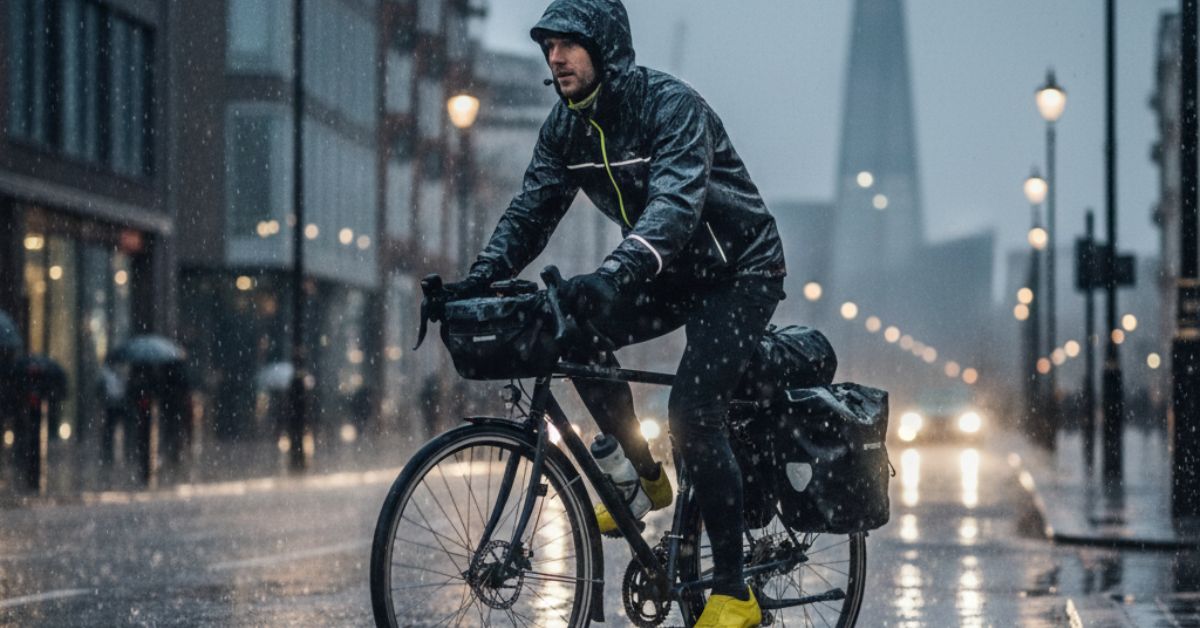
While your bike can be rainproofed, you also need to protect yourself. Waterproof jackets, gloves, and overshoes keep you comfortable. Bright, reflective gear improves visibility, especially in London’s grey and rainy conditions. Layering and breathable fabrics prevent overheating while keeping water out, making your rides more enjoyable and less stressful. Accessories such as waterproof panniers or saddle covers prevent water from reaching your belongings. Even simple things like a chain guard or frame-mounted mud flaps can reduce spray, keeping both you and your bike cleaner.
Long-Term Maintenance
Consistency is key for year-round cycling. Checking your bike regularly, cleaning it after wet rides, and reapplying lubricants are simple habits that pay off. Over time, a bike that is cared for in this way performs reliably, even in London’s unpredictable weather. Rainproofing isn’t a one-time task; it’s an ongoing commitment. The most seasoned urban cyclists develop a routine: inspect, clean, lube, and store properly. These small steps prevent mechanical issues, reduce wear, and make every ride smoother.
Enjoying Year-Round Cycling
Rainy days in London are no longer a reason to stay inside. With the right preparation, cycling can be enjoyable regardless of the weather. A rainproofed bike feels reliable, responsive, and ready for the day’s adventure. You’ll notice the difference not only in performance but in peace of mind knowing your bike is prepared, and you can ride confidently. Whether commuting to work, exploring London’s parks, or heading out for a weekend adventure, thoughtful rainproofing turns challenging weather into an opportunity. Investing time in your bike today means more enjoyable rides tomorrow. For cyclists in London seeking expert advice, durable equipment, and gear designed to handle all conditions, the team at stationbicycles is the perfect partner to keep you rolling smoothly through every season.