Cycling in London has slowly shifted from being a fringe activity to a normal part of daily life. More cycle lanes line busy roads, more people commute by bike, and conversations around active travel are louder than ever. Yet, despite these changes, women remain underrepresented on London’s streets when it comes to cycling. This isn’t because women lack interest, fitness, or skill. The reasons run deeper shaped by safety concerns, infrastructure design, social expectations, and lived experience. Understanding these challenges, while recognising the progress being made and the support available, is key to building a more inclusive cycling culture across the capital.
Why the Gender Gap Still Exists
The difference between men’s and women’s cycling rates in London is not accidental. It reflects how the city has historically been designed and how safe it feels to move through it. For many women, cycling feels riskier than other forms of transport. Busy junctions, fast-moving traffic, and narrow lanes can turn what should be a simple journey into a stressful experience. When the environment feels hostile, people who are more risk aware often women are more likely to opt out. There is also the social side. Cycling has long been portrayed as competitive, fast, and male dominated. When that’s the image people see, it can be hard to imagine yourself belonging especially if you are new, cautious, or just want to get from A to B without drama.
Safety Concerns Go Beyond Traffic
Safety is not only about collisions or road design. For women, personal safety plays a huge role in transport choices. Poor lighting, isolated cycle paths, and riding after dark can all feel intimidating. Some women also report experiencing harassment while cycling comments, staring, or aggressive behaviour that makes them feel exposed and uncomfortable. These experiences add up. Even if something only happens once or twice, it can be enough to put someone off cycling altogether. Feeling safe is not a luxury it is a basic requirement for everyday travel.
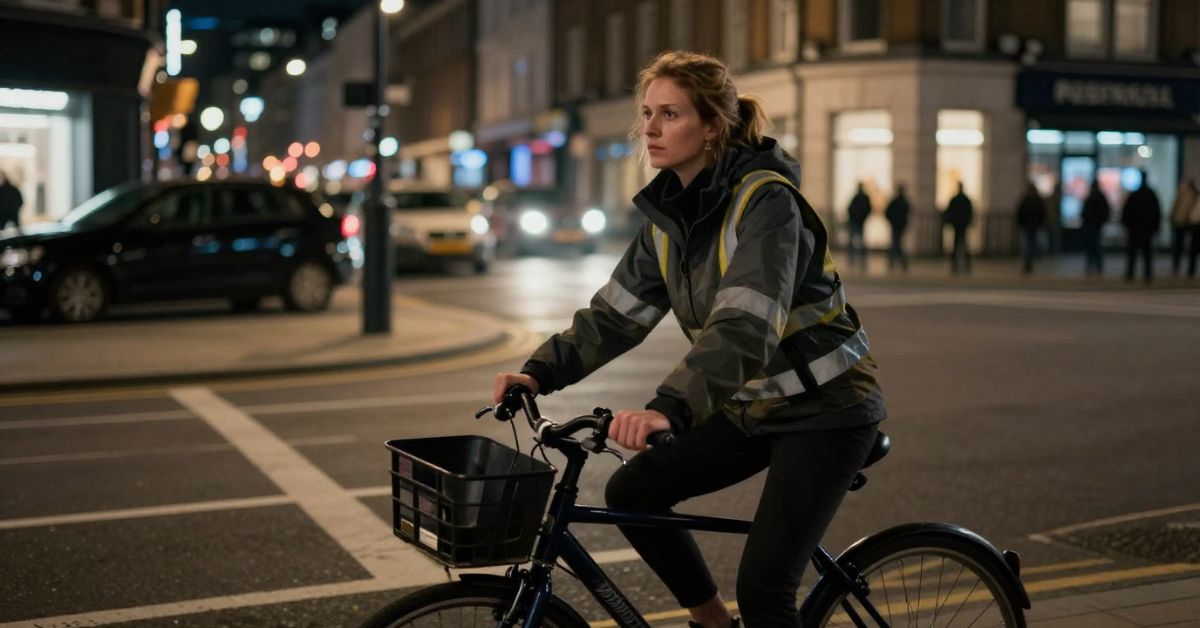
How Better Infrastructure Is Changing Behaviour
One of the clearest lessons from London’s cycling data is this when cycling feels safer, more women cycle. Protected cycle lanes, physically separated from traffic, have transformed how certain routes feel. Low traffic neighbourhoods have made residential areas calmer and more pleasant to ride through. Clearer junction designs reduce uncertainty and make it easier to navigate busy roads. In areas where this infrastructure exists, the gender gap in cycling shrinks dramatically. This proves that women don’t need to be encouraged to cycle they need environments that respect their safety and comfort.
Confidence Is a Bigger Issue Than Ability
Many women who don’t cycle regularly worry that they are not skilled enough. They fear holding up traffic, making mistakes, or not knowing the rules well enough. In reality, these concerns often have little to do with actual ability. Confidence comes from experience, and experience comes from feeling safe enough to try. Without supportive spaces to learn and practice, cycling can feel like stepping into the deep end. This is why training sessions, gentle routes, and supportive cycling communities matter so much. Once confidence builds, cycling stops feeling intimidating and starts feeling empowering.
The Power of Women Led Cycling Communities
One of the most positive developments in London’s cycling scene is the rise of women focused groups and initiatives. Women only rides and workshops create spaces where riders can ask questions freely, ride at a comfortable pace, and learn without judgement. These groups often prioritise social connection over speed, helping cycling feel less like a test and more like a shared experience. For many women, joining a group is the turning point the moment cycling shifts from something stressful to something enjoyable.
Everyday Practical Barriers Still Matter
Beyond safety and confidence, there are practical challenges that affect women more than men. Bike design hasn’t always been inclusive. Poorly fitting frames, uncomfortable saddles, and limited clothing options can make cycling physically uncomfortable. Add childcare responsibilities, caring roles, or work schedules that don’t allow for flexibility, and cycling can feel impractical. There’s also the pressure of appearance concerns about arriving sweaty, managing work clothes, or not having access to showers. These might sound minor, but they influence daily decisions in very real ways. Addressing these barriers means thinking beyond the bike itself and considering the whole journey.
Representation Shapes Who Feels Welcome
Seeing women cycle matters more than statistics ever will. When women see others like them riding confidently different ages, backgrounds, and body types it quietly changes what feels possible. Representation in advertising, media, and local cycling spaces helps challenge the idea that cycling is only for certain types of people. When cycling looks normal and varied, it becomes easier for new riders to imagine themselves taking part. Cultural change doesn’t happen overnight, but visibility plays a powerful role.
Support from Local Authorities and Organisations
Across London, councils and community groups are investing in making cycling more inclusive. Free cycle training, maintenance workshops, route planning support, and bike loan schemes are helping women overcome common barriers. These initiatives are especially valuable for people who don’t have access to private transport or who feel unsure about cycling alone. When support is local and easy to access, it lowers the threshold for getting started. While progress varies by area, the overall direction is encouraging.
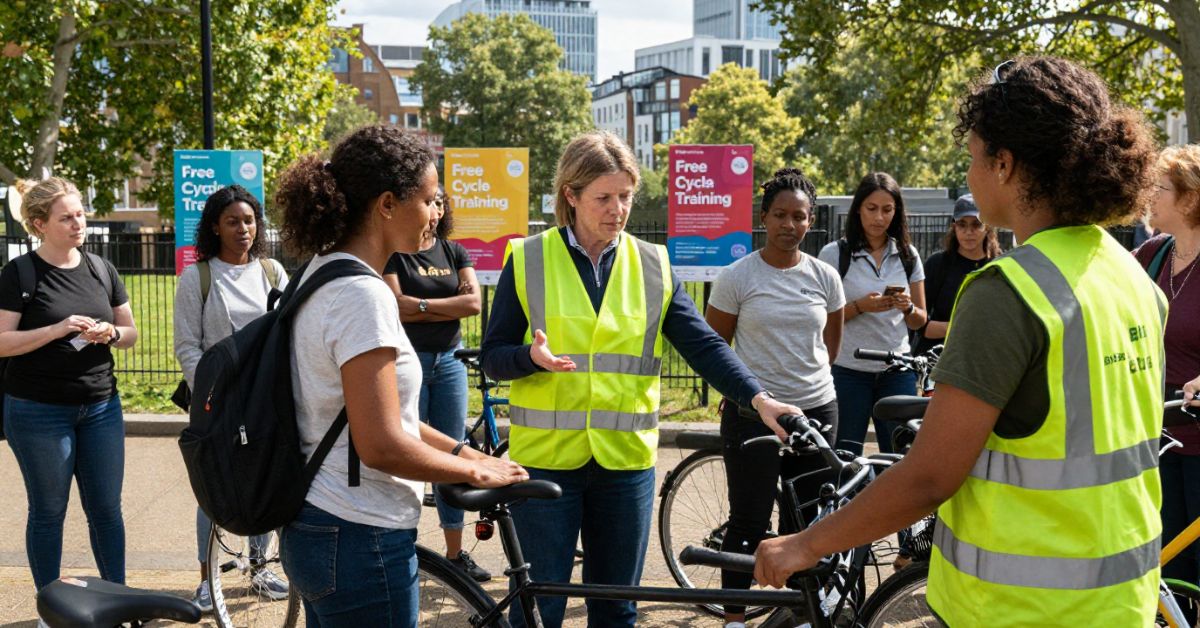
Cycling as Freedom, Not Just Transport
For many women, cycling is not just a way to get around it is a form of independence. It offers control over time, route, and pace. It removes reliance on delayed trains or expensive fares. It also creates a different relationship with the city, one where streets feel navigable rather than overwhelming. Many women who take up cycling later in life describe it as quietly transformative. Not because it’s dramatic, but because it reshapes daily routines in empowering ways.
The Road Ahead for Women and Cycling in London
London has made real progress, but there is still work to do. Infrastructure must continue to prioritise safety over speed. Streets must be designed with the most vulnerable users in mind. And cycling culture must keep expanding to reflect the diversity of the city itself. When women feel safe cycling, everyone benefits children, older riders, and people new to cycling too. Inclusion isn’t an add on it’s the foundation of a healthier, more liveable city. With continued investment, community support, and visible role models, cycling in London can become something women choose confidently, not cautiously.
Supporting Women Cyclists at a Local Level
Local bike shops and cycling spaces play a vital role in shaping how welcoming cycling feels. Friendly advice, honest conversations, and a focus on real life needs can make all the difference for someone taking their first steps into cycling. By supporting inclusive cycling culture and meeting riders where they are, businesses like Stationbicycles help ensure that more women feel confident, supported, and inspired to ride not just once, but for the long term.