Cycling in London is no longer a fringe activity reserved for weekend leisure or dedicated enthusiasts. It has become deeply woven into the fabric of everyday urban life. Recent data shows the number of daily cycling journeys across the capital continues to grow, with approximately 1.5 million trips now made each day, up significantly from previous years. This indicates not only a shift in how Londoners move but also the importance of being ready for what lies ahead in 2026 as the city’s cycling culture evolves.
Whether you ride to work, explore the city on weekends, or are just thinking about becoming a more regular cyclist, understanding the trends, challenges, and essential preparations for the upcoming year will help you stay safe, confident, and ready for anything.
London’s Cycling Landscape in 2026
Cycling in London has grown rapidly over the last decade, driven by improvements in infrastructure, a shift in commuter behaviour, and increasing awareness of the health and environmental benefits of two-wheeled travel. The capital’s network of high-quality cycle routes has expanded significantly, making it easier and safer for people to choose cycling as part of their daily routine.
This growth is not just about numbers. It reflects how cyclists are now an integral part of London’s transport ecosystem, whether they are commuting through inner London or enjoying more leisurely rides in outer boroughs. With continued network expansion planned for 2026, cyclists can look forward to even more connected and convenient routes throughout the city.
Know the Routes and Plan Your Journeys
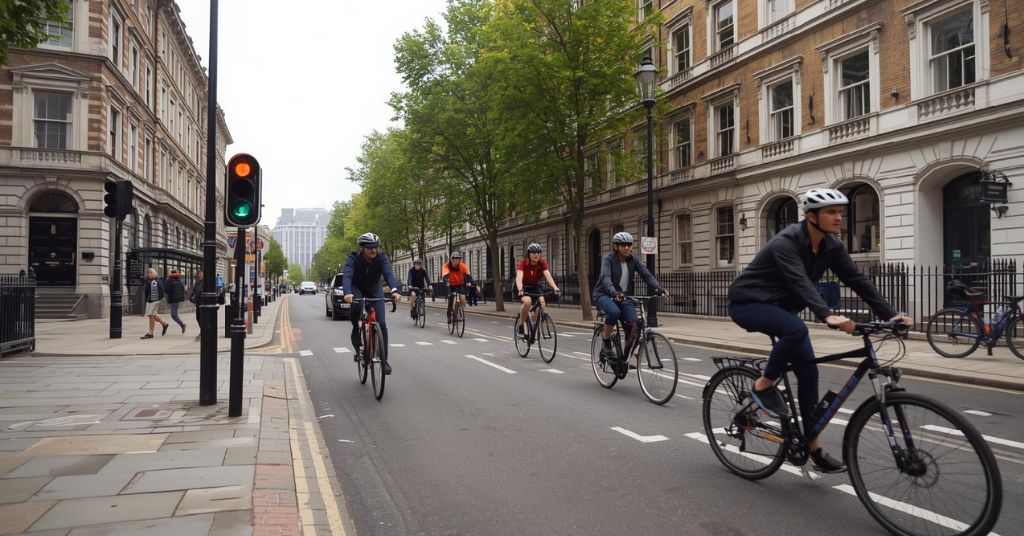
One of the biggest advantages of cycling in London today is the availability of dedicated cycleways and segregated paths. These routes are designed to reduce interaction with motor traffic and make your ride smoother and safer. As the network continues to expand in 2026, familiarise yourself with the key cycleways near where you live and work.
Planning your journey ahead of time will make your rides more efficient and enjoyable. Apps such as Citymapper, TfL Go, or specialised cycling planners will show you the best routes based on traffic levels, cycle lane availability, and journey time. Knowing your route also means fewer surprises and fewer moments of hesitation when navigating busy junctions or unfamiliar roads.
If you’re new to London cycling or want to build your confidence, try doing practice rides during quieter parts of the day, such as weekends or early mornings. This approach lets you become comfortable with road layouts and your preferred paths without the stress of heavy commuter traffic.
Safety Gear and Maintenance Essentials
Cycling in a bustling city requires prioritising safety above all else. A good helmet is the single most important piece of protective gear you can wear. While helmet choice is personal and comfort varies, choosing a well-fitting, high-quality helmet protects you against more serious head injuries. Consider trying different styles until you find one that feels comfortable and secure for everyday use.
Lights and reflectors are equally important. London’s weather can be unpredictable, with grey skies and early nights during the winter months. Front and rear lights make you visible to other road users, especially during dawn, dusk, or rain when visibility drops. Don’t underestimate the impact that clear visibility has on your safety.
Cyclists should also think ahead about basic maintenance. A puncture repair kit, spare inner tube, and portable pump can be lifesavers on longer rides. Knowing how to fix a flat tyre or adjust your brakes can turn what could be a stressful situation into a manageable one.
Regular bike servicing also ensures smooth performance and reduces the risk of breakdowns. As cycling becomes more common, many local workshops offer seasonal tune-ups that keep your bike in peak condition. Regular checks mean more time enjoying the ride and less time stuck by the roadside.
Stay Informed About Local Regulations and Trends
London’s approach to cycling is always evolving. With a rise in dockless e-bikes and transport schemes, regulations are being updated to keep up with new trends. Recent changes, such as restrictions on certain types of e-bikes on public transport, highlight the importance of staying informed about local rules. Awareness of these changes helps you avoid unexpected issues during your rides.
The rise in dockless hire bikes and shared cycles means more options for getting around but also more responsibility for riders to understand where and how they can park or use these bikes. For daily commuters or casual riders, this is an important part of planning a ride that fits your needs.
Equally, keep an eye on safety campaigns, training opportunities, and community cycling events. These resources are often free or subsidised and can improve your confidence and knowledge as a rider. Local councils, Transport for London, and community groups regularly run sessions that cover everything from basic handling skills to navigating busy junctions.
Become Part of the Cycling Community
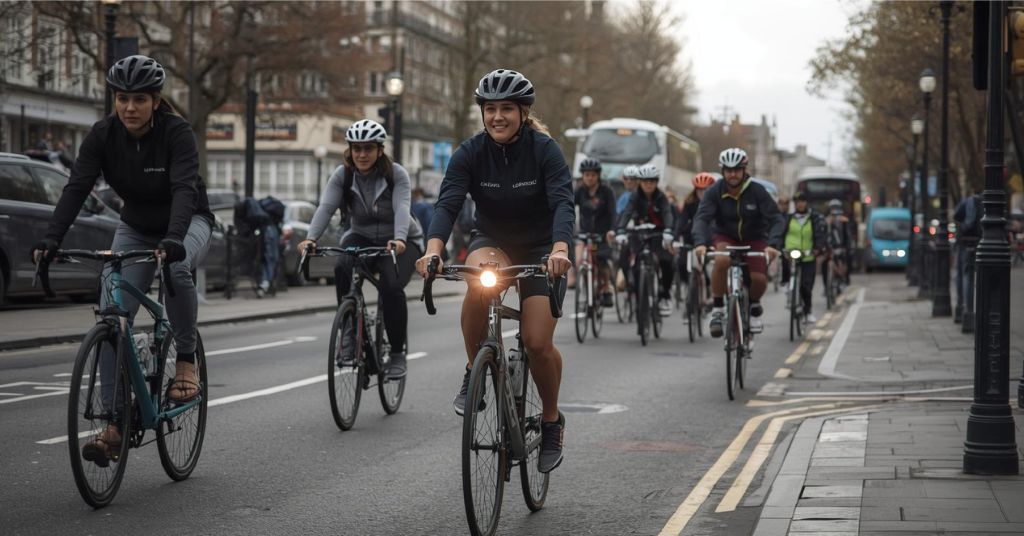
Cycling in London is about more than just commuting from point A to point B. It’s a community that continues to grow and evolve. Participating in group rides, community events, or cycling festivals can make your experience richer and connect you with other riders who share your passion.
Even if you ride alone most of the time, engage with local forums, clubs, or social media groups that focus on cycling in the capital. These platforms are excellent for sharing route tips, safety advice, and stories from other cyclists who understand the unique experience of biking through a big city.
In addition to organised events, take time to discover London’s diverse areas at your own pace. Exploring new routes on evenings or weekends broadens your knowledge of the city and gives you fresh challenges to enjoy. Some boroughs, like Camden, Islington, and Stratford, are known for their cycle-friendly streets and vibrant bike culture.
Gear Up for 2026
As London’s cycling landscape continues to grow and change, preparing yourself physically, mentally, and logistically will make 2026 your best year on two wheels yet. From expanding cycleway networks to new trends in bike technology and urban transport, there is much to look forward to. Staying informed, equipped, and confident will help you ride with ease and purpose.
And if you are thinking about upgrading your bike, looking for expert maintenance, or want professional advice on selecting the right two-wheeler, the team at Station Bicycles, a trusted name in second-hand and new bicycles in London, offers a wide range of bikes and services suited to every type of cyclist. Their experience can help you get ready for everything the city’s cycling scene has to offer in 2026.