City cycling is a different experience from riding through quiet countryside lanes. Urban roads are busier, surfaces are rougher, and the weather rarely cooperates. From potholes and curbs to rain-soaked streets and sudden stops at traffic lights, your bike works hard every single day. That is why regular maintenance is not just helpful it is essential. Looking after your bike in the city does not require advanced mechanical skills. With a bit of attention and consistency, you can keep it running smoothly, safely, and efficiently. A well-maintained bike not only performs better but also saves you money in the long run. Let’s explore how you can keep your ride in top condition, even in the middle of a fast-paced urban environment.
Understanding the Demands of City Riding
Urban cycling places unique stress on your bike. Frequent braking at junctions wears down brake pads faster. Stop-start traffic puts strain on the chain and gears. Wet roads mix with dirt and oil, creating grime that builds up quickly on moving parts. City riders also face hazards such as glass shards, debris, and uneven surfaces. These can lead to punctures or misaligned wheels if left unchecked. Recognising these challenges helps you understand why routine care matters so much. A few minutes of regular attention can prevent unexpected breakdowns during your commute.
Keep It Clean: The Foundation of Bike Care
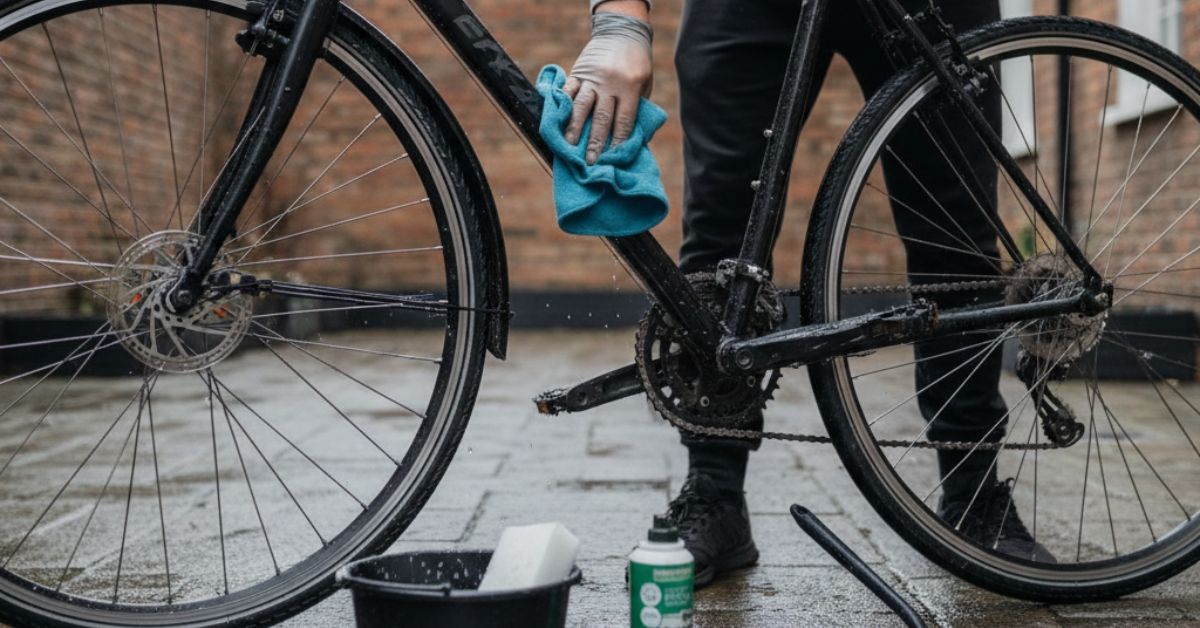
It may sound simple, but keeping your bike clean is one of the most effective maintenance habits you can adopt. Dirt and moisture accelerate wear, especially in city conditions where roads can be gritty and damp. After wet rides, wipe down the frame with a dry cloth to prevent rust from forming on bolts and metal components. Pay special attention to the drivetrain the chain, cassette, and chainrings since these parts collect the most grime. A gentle wash with warm water and mild soap every few weeks can make a noticeable difference. Avoid using high-pressure water, as it can push dirt and moisture into bearings. Instead, use a sponge or soft brush. Once clean, dry the bike thoroughly before storing it indoors or under cover.
Chain Care: The Heart of Your Bike
Your chain works constantly, transferring power from your legs to the wheels. In city conditions, it collects dirt quickly, especially during rainy weather. A neglected chain becomes noisy, inefficient, and prone to rust. Cleaning and lubricating the chain regularly keeps it running smoothly. After wiping off grime, apply a suitable bike lubricant while turning the pedals slowly. Allow it to settle, then wipe off excess oil to prevent dirt from sticking. A properly maintained chain not only improves performance but also extends the life of other drivetrain components. Replacing a worn chain early can save you from the higher cost of replacing the entire cassette later.
Brakes: Safety Comes First
In busy urban streets, reliable brakes are non-negotiable. Frequent stops at traffic lights and crossings mean your braking system sees heavy use. Check your brake pads regularly. If they look thin or worn unevenly, it is time to replace them. Listen for unusual squealing or grinding sounds, as these often signal contamination or wear. Make sure your brake levers feel firm rather than spongy. For bikes with disc brakes, inspect the rotors for warping and ensure they are clean. For rim brakes, keep the wheel rims free from excessive grime. Good braking performance provides peace of mind in unpredictable city traffic.
Tyres and Puncture Prevention
City roads are full of sharp objects and rough patches. Checking your tyres weekly can prevent inconvenient flats. Look for embedded glass, cuts, or worn tread. Remove small debris before it works its way deeper into the rubber. Maintaining proper tyre pressure is equally important. Underinflated tyres increase the risk of punctures and make pedalling harder. Overinflated tyres can reduce grip on wet surfaces. Check the recommended pressure printed on the tyre sidewall and use a reliable pump with a gauge. If you cycle daily, consider investing in puncture-resistant tyres. They provide added protection against urban hazards and can save you from roadside repairs during your commute.
Gears and Shifting Performance
Smooth gear shifting is particularly valuable in the city, where you may need to change pace quickly. If your gears feel sluggish or skip unexpectedly, it could be due to cable tension, dirt buildup, or general wear. Keep the derailleur clean and ensure cables are not frayed. Minor adjustments can often restore crisp shifting, but persistent issues may require professional attention. Addressing gear problems early prevents strain on the drivetrain and keeps your ride efficient.
Bolts, Bearings, and Alignment
Vibrations from uneven roads can gradually loosen bolts over time. Periodically check that key bolts such as those on the handlebars, stem, and seat post are secure. A simple multi-tool can handle most adjustments. Wheel alignment is another factor to watch. If your bike starts pulling slightly to one side or you hear rubbing sounds near the brakes, the wheel may need truing. While minor issues can be managed at home, more complex adjustments are best handled by a qualified mechanic. Bearings in the bottom bracket and hubs should feel smooth. Grinding sensations or unusual resistance may indicate the need for servicing.
Protecting Your Bike from the Elements
City cyclists often store their bikes outdoors, whether at home or work. Exposure to rain and fluctuating temperatures can accelerate corrosion. Whenever possible, store your bike indoors or under a protective cover. If outdoor storage is unavoidable, apply a light protective spray to metal components to reduce moisture damage. Regular cleaning becomes even more important in these conditions. Security also plays a role in maintenance. Using a strong lock prevents theft and reduces the risk of damage from tampering. Urban cycling demands both mechanical care and practical precautions.
Listening to Your Bike
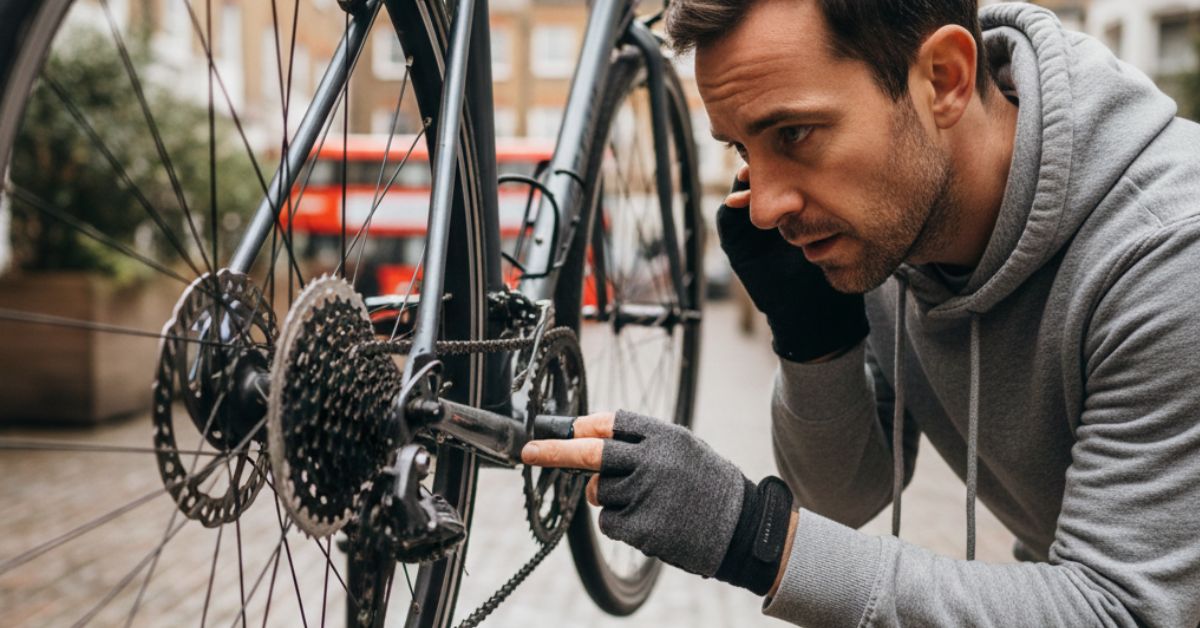
One of the most valuable maintenance skills is simply paying attention. Unusual noises, vibrations, or changes in performance often signal developing issues. A clicking sound might indicate a loose bolt. A rubbing noise could point to misaligned brakes. Catching these early makes repairs simpler and cheaper. Your bike communicates through feel and sound. The more you ride, the more familiar you become with its normal rhythm. Trust that instinct. If something feels off, investigate before your next long journey.
When to Visit a Professional
Even with careful home maintenance, regular servicing by a trained mechanic is wise. An annual or biannual check-up can identify hidden wear and ensure everything remains properly adjusted. City riding accelerates wear compared to occasional leisure cycling. Professional servicing keeps your bike safe and extends its lifespan. It also gives you confidence that every component is functioning as it should.
Building a Routine That Works
The key to maintaining your bike in the city is consistency rather than complexity. A quick weekly check of tyres and brakes, regular chain care, and occasional thorough cleaning can prevent most common problems. You do not need to spend hours each month just build small habits into your routine. Many city cyclists find it helpful to clean their bike on the same day each week or inspect it after particularly wet rides. Treat maintenance as part of the cycling experience rather than a chore. When your bike feels smooth and responsive, the effort feels worthwhile.
A Reliable Bike for Everyday Adventures
City life moves quickly, and your bike should keep up without hesitation. Regular maintenance ensures your commute remains dependable and your weekend rides enjoyable. It protects your investment and enhances your safety on busy streets. Whether you are new to urban cycling or have years of experience, expert guidance can make maintenance easier. If you ever need professional servicing, reliable advice, or quality parts, trusted specialists such as Stationbicycles can help keep your bike performing at its best, ready for every journey the city brings.