London changes after dark. The rush softens, the skyline glows, and familiar streets take on a different rhythm. For many cyclists, nighttime is the most magical time to ride. The air feels calmer, traffic often thins out, and landmarks like Tower Bridge, Big Ben, and the South Bank shimmer under golden lights. But while cycling in London at night can be peaceful and inspiring, it also requires extra awareness and preparation. Riding safely after sunset isn’t just about being brave or confident. It’s about understanding how the city behaves at night and adapting to it. With the right approach, cycling in London after dark can be both safe and deeply enjoyable.
Why Night Cycling in London Feels Different
The first thing you notice when cycling at night is the atmosphere. The city sounds change. The daytime noise of delivery vans, buses, and crowds fades into a quieter hum. Streets that feel chaotic at 5 p.m. can seem almost serene by 10 p.m. For some riders, this slower pace makes cycling feel more relaxed. However, lower visibility creates new challenges. Drivers may be more tired or less attentive. Street lighting varies from one borough to another. Some areas are brilliantly lit, while others have patches of shadow. Even well marked cycle lanes can look different in dim light. Night cycling also changes how distances feel. A familiar route may appear unfamiliar in the dark. Corners seem sharper, and road surfaces can be harder to read. Potholes, debris, or uneven tarmac become less obvious. Recognising these differences is the first step toward staying safe.
The Importance of Being Seen
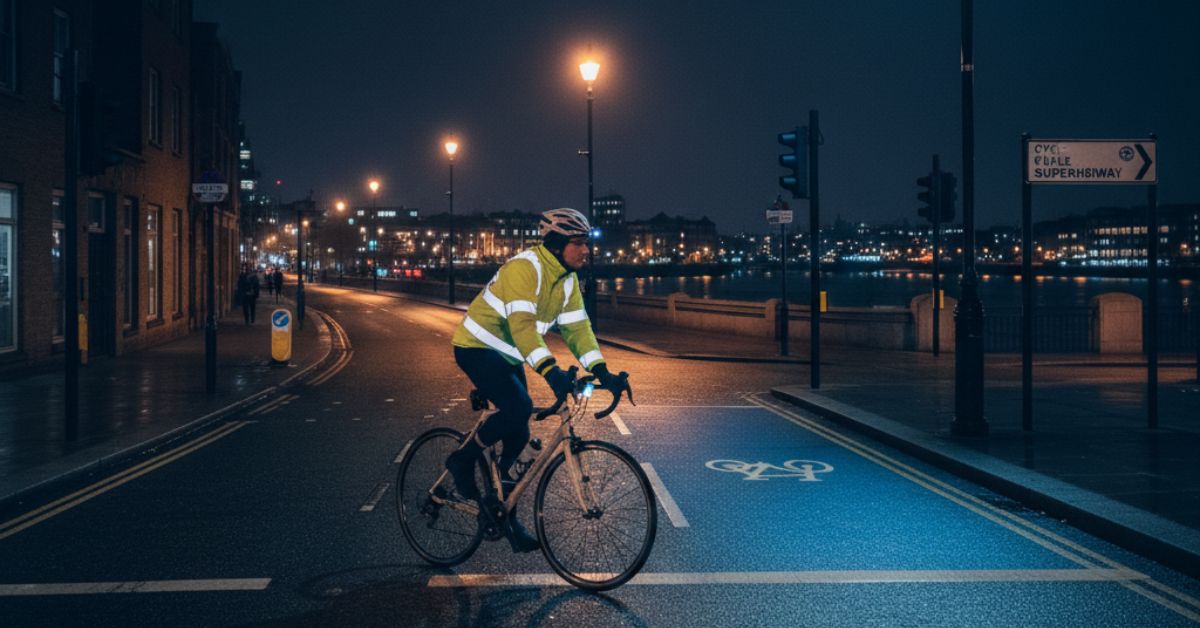
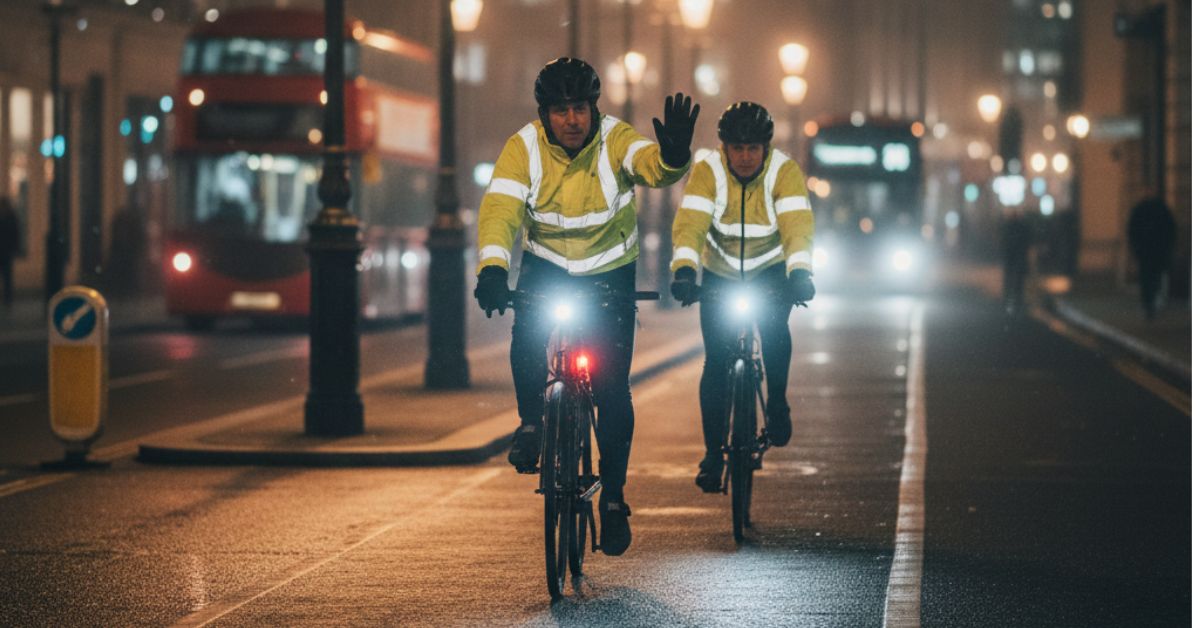
At night, visibility is everything. You might be able to see clearly, but that doesn’t mean others can see you just as well. Making yourself visible is not about style it’s about survival. Front and rear lights are essential. A bright white front light and a red rear light should be considered non negotiable. The stronger and more reliable they are, the better. Flashing modes can help attract attention, but steady beams make it easier for others to judge your distance. Ideally, you should use a combination that ensures you are noticeable without blinding oncoming traffic. Reflective elements also make a huge difference. Reflective strips on your jacket, ankle bands, or helmet catch car headlights and immediately outline your movement. Even small reflective details can turn you from a shadow into a clearly visible cyclist. In a busy city like London, where taxis, buses, and private cars share the road, standing out is crucial. Clothing colour matters too. Dark outfits may feel sleek, but they blend into the night. Lighter shades or high visibility gear increase your chances of being spotted early.
Choosing the Right Routes After Dark
Route choice becomes even more important once the sun goes down. During the day, you might choose the shortest path. At night, it’s often wiser to choose the safest and best lit option, even if it adds a few extra minutes to your journey. London offers an expanding network of cycle superhighways and quieter cycle routes. These are generally well lit and designed with cyclists in mind. Riding along embankments, major roads with clear cycle lanes, or established bike corridors can feel much safer than cutting through poorly lit side streets. That doesn’t mean you should avoid residential areas entirely. Some quieter roads are ideal at night because they have minimal traffic. The key is familiarity. If you know a route well from daytime rides, you’ll feel more confident navigating it in the dark. Avoid parks or canal paths late at night unless you are certain they are open, well lit, and populated. While some routes like parts of the Thames Path are beautifully illuminated, others can be isolated and dim. Trust your instincts. If a stretch feels uncomfortable, choose an alternative next time.
Staying Alert in a Changing Traffic Environment
Night traffic behaves differently. While there are often fewer cars, the drivers on the road may be more unpredictable. Some may be rushing home. Others may be distracted or tired. On weekends, there is also the possibility of encountering drivers under the influence of alcohol. As a cyclist, assume that drivers may not see you immediately. Approach junctions with caution. Slow down slightly before crossing intersections, even if you have right of way. Make eye contact with drivers whenever possible. If you can’t see their face clearly, assume they haven’t seen you. Be especially careful around bus stops and taxi ranks. London’s nightlife means there are more drop offs and pick ups in certain areas after dark. Car doors can open suddenly. Keeping a safe distance from parked cars reduces the risk of being doored. Listening to your surroundings is also important. While music can make a ride enjoyable, wearing headphones at night may reduce your awareness. Hearing approaching vehicles, sirens, or other cyclists helps you respond quickly to changing situations.
Checking Your Bike Before You Ride
A safe night ride starts before you leave home. Your bike should be in good condition, with brakes that respond quickly and tyres properly inflated. Small mechanical issues become more significant when visibility is low. Test your lights before every ride. Batteries should be fully charged, and mounts should be secure. A loose light that points toward the ground instead of forward defeats its purpose. Carrying a small backup light or spare battery can save you from being stranded in darkness. Clean reflectors and lenses regularly. Dirt and grime can reduce their effectiveness. In London’s wet weather, mud can accumulate quickly, especially during autumn and winter. It’s also wise to carry a basic repair kit. A puncture in the middle of the day is inconvenient. A puncture at night can feel far more stressful. Having the tools and confidence to fix minor issues adds an extra layer of security.
Adapting to Weather and Seasonal Changes
London weather is famously unpredictable. At night, temperatures can drop quickly, even after a mild day. Dressing in layers allows you to adjust as needed. Gloves not only keep your hands warm but also improve grip and control. Rain changes the road surface dramatically. Wet tarmac reflects streetlights, sometimes making it harder to see lane markings or hazards. Braking distances increase on slick roads, so reduce speed slightly and avoid sudden movements. Fog can also roll in unexpectedly, particularly near the river. In such conditions, strong lights and reflective clothing become even more important. Slow, steady riding is safer than rushing to reach your destination. Seasonal shifts affect daylight hours as well. In winter, evening rides are almost always in the dark. Preparing mentally for that shift helps you ride with more focus and intention.
Confidence and Calm on the Road
Cycling at night requires a calm mindset. Fear or overconfidence can both lead to poor decisions. The goal is steady awareness. Ride predictably. Signal clearly. Position yourself on the road where you are visible, not squeezed against the kerb. Confidence comes from preparation. When you know your route, your bike is well maintained, and your lights are bright, you naturally feel more secure. That sense of control allows you to enjoy the experience rather than constantly worrying. It can also help to ride with others, especially if you’re new to night cycling. Group rides or cycling with a friend increases visibility and can make the journey feel more relaxed. London has an active cycling community, and many riders enjoy evening outings.
The Quiet Joy of London After Dark
Despite the precautions, cycling in London at night offers something special. Crossing a nearly empty bridge with the city lights reflecting on the Thames feels unforgettable. Rolling past historic buildings without daytime crowds allows you to see the city from a fresh perspective. There’s a sense of freedom in moving through illuminated streets under a dark sky. You notice details you might miss during the day the glow of theatre signs in the West End, the rhythm of traffic lights changing in sync, the distant hum of trains passing overhead. When you ride thoughtfully, nighttime cycling becomes less about risk and more about awareness. It’s about understanding the city’s flow and finding your place within it. Whether you own a bike or rent one for an evening adventure, preparation makes all the difference. London’s cycling infrastructure continues to grow, and with careful planning, even newcomers can enjoy riding after sunset. From well lit superhighways to convenient Stationbicycles available across the city, there are more options than ever to explore London safely and confidently at night.